

Jacksonville Grease Trap Laws: Your Complete Property Owners Guide (Residential & Commercial)
Jacksonville’s vibrant dining scene and bustling commercial districts are hallmarks of our city. However, this activity, particularly within the food service industry, generates a significant byproduct: fats, oils, and grease (FOG). If not managed properly, FOG poses a substantial threat to our city’s wastewater infrastructure, environment, and ultimately, the quality of life for all residents. This guide provides a comprehensive overview of Jacksonville’s grease trap laws and best practices for both residential and commercial property owners, ensuring a cleaner, healthier city for everyone.
Understanding Jacksonville’s Fight Against FOG
Fats, oils, and grease, collectively known as FOG, are unavoidable byproducts of cooking and food preparation. While seemingly innocuous, their impact on the intricate network of Jacksonville’s wastewater system is profound and detrimental. Understanding FOG management is not just a regulatory requirement for businesses; it’s a shared responsibility that affects every property owner in the city.
Why FOG Management Matters to Everyone in Jacksonville
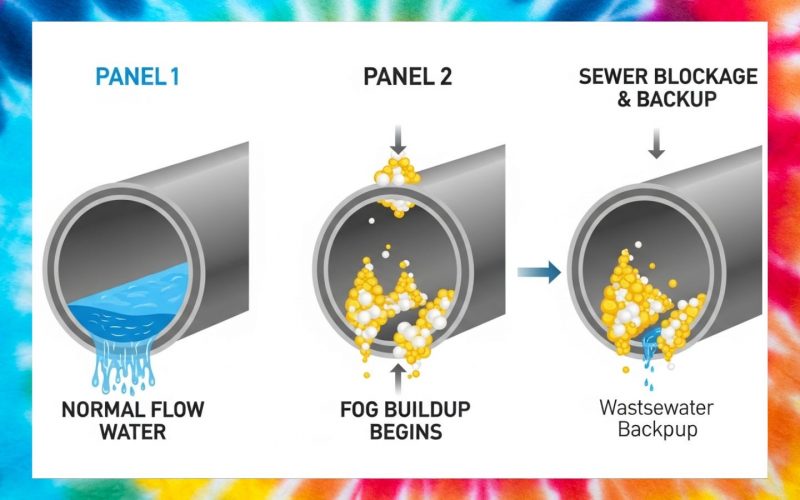
 How FOG Clogs Pipes: Over time, fats, oils, and grease cool and solidify, constricting wastewater flow and leading to severe blockages and backups.
The collective impact of FOG from all sources, including individual households, can overwhelm the municipal sewer system. When FOG enters the pipes, it cools and solidifies, adhering to the interior surfaces. Over time, this buildup narrows the diameter of the pipes, restricting wastewater flow. This can lead to costly and disruptive sewer backups, not only affecting businesses but also residential areas. Furthermore, the continuous effort and expense required by JEA to clear these blockages ultimately translates to higher costs for all taxpayers. Protecting Jacksonville’s waterways from FOG pollution is also paramount, as untreated wastewater can carry harmful contaminants that damage delicate ecosystems.
What This Guide Covers: For Homeowners and Businesses
This guide aims to demystify Jacksonville’s approach to FOG management. For homeowners, we’ll outline simple, actionable steps to prevent FOG from entering the sewer system and explain their role in the city’s broader wastewater initiatives, including the septic tank phase-out program. For commercial property owners, especially those operating food service establishments (FSEs), we will delve into the specific regulations, requirements for grease traps and interceptors, maintenance schedules, compliance inspections, and the consequences of non-adherence. Our goal is to equip all Jacksonville property owners with the knowledge to contribute to a cleaner, more efficient wastewater system.
The Core Problem: Why Fats, Oils, and Grease (FOG) Threaten Jacksonville’s Infrastructure
The fundamental challenge lies in the physical and chemical properties of FOG and its pervasive presence in wastewater streams. Without proper containment and treatment, FOG wreaks havoc on both private plumbing systems and public infrastructure.
What Exactly is FOG and How Does it Cause Problems?
Fats, oils, and grease are organic substances that are liquid at high temperatures but solidify at lower temperatures, typically those found within sewer pipes. These substances originate from a variety of sources, including cooking oils, butter, lard, meat drippings, dairy products, and food scraps. When these materials are washed down drains, they travel through the plumbing system. Unlike water-soluble waste, FOG does not dissolve. Instead, it cools and adheres to the sides of pipes, creating sticky, cumulative blockages. This process is exacerbated in Florida’s warm climate, which can accelerate solidification within the pipes.
The Impact on Jacksonville’s Sewer Pipes and Wastewater Collection System
The primary consequence of FOG entering the sewer system is the formation of stubborn blockages and obstructions. As FOG coats the interior of pipes, it reduces the effective diameter, diminishing the system’s capacity to transport wastewater. This leads to a cascade of problems:
- Sewer Backups: Increased pressure from restricted flow can cause wastewater to back up into homes, businesses, and streets, creating unsanitary conditions and property damage.
- Increased Maintenance Costs: JEA must dedicate significant resources and personnel to repeatedly clear FOG-related blockages, involving specialized equipment and labor. This translates to substantial operational expenses.
- Infrastructure Damage: Persistent FOG buildup can stress and damage sewer pipes, leading to premature deterioration and the need for costly repairs or replacements.
Environmental Damage and Pollution: Protecting Jacksonville’s Waterways
When sewer systems become overwhelmed due to FOG blockages, untreated or partially treated wastewater can overflow into local waterways. These discharges pose a severe environmental threat:
- Water Contamination: Untreated wastewater contains pathogens, nutrients, and other pollutants that can contaminate rivers, streams, and coastal areas, posing risks to human health and aquatic life.
- Ecosystem Disruption: Excessive nutrient loading from wastewater can lead to algal blooms, depleting oxygen levels and harming fish and other aquatic organisms.
- Aesthetic Degradation: FOG can create unsightly slicks on the surface of water bodies, impacting recreational use and the overall environmental appeal of Jacksonville’s natural resources.
The Financial Burden: Costs for JEA and Potential Fines for You
The management of FOG incurs significant financial burdens. For JEA, the costs associated with responding to FOG-related backups, performing routine pipe cleaning, and maintaining treatment facilities are substantial. These operational expenses are ultimately borne by the ratepayers through utility bills.
For commercial food service establishments, non-compliance with grease management regulations carries direct financial penalties. Municipalities nationwide are increasing their authority relative to pretreatment standards and FOG control protocols Source: FilterShine Jacksonville. Improper grease disposal in Jacksonville can lead to fines of $2,000 or more for severe offenses, with potentially higher costs for blockages that require extensive cleanup Source: Jacksonville Grease Trap Services. Duval County (Jacksonville) charges $175 for initial grease registration and $75 for renewal, with dumping fines starting at $350 and increasing to $700 for repeat offenses Source: Florida Grease Compliance, 2025. These costs can be particularly impactful for smaller businesses, as Jacksonville restaurants generate a median revenue of $225,072, which is less than the national average of $262,961 Source: LendingTree, 2018.
For Jacksonville Homeowners: Your Role in Responsible Grease Management
While commercial entities face explicit regulations regarding grease traps, residential property owners play a crucial, albeit less regulated, role in preventing FOG from entering the municipal sewer system. The cumulative impact of household FOG can be significant, contributing to the very problems that plague commercial operations.
Do Homeowners Need a Grease Trap? Understanding Residential FOG Impact
In Jacksonville, residential properties are generally not required to install commercial-grade grease traps. These devices are mandated for food service establishments that discharge significant volumes of FOG. However, this does not exempt homeowners from responsible FOG disposal. The FOG generated from home cooking, dishwashing, and general food preparation, when poured down drains, enters the same municipal sewer system that commercial establishments do. The combined FOG from thousands of homes can contribute to pipe blockages, sewer overflows, and increased maintenance costs for JEA, ultimately affecting the entire community.
Simple Steps to Be a “Grease Fighter” at Home
Becoming a “grease fighter” at home is simple and requires minimal effort. By adopting a few key habits, you can significantly reduce your contribution to FOG problems:
- Wipe it Down: Before washing greasy pots, pans, and dishes, use a paper towel to wipe out as much grease and food residue as possible. Dispose of these paper towels in the trash.
- Scrape Plates: Scrape all food scraps and grease from plates into a designated container or directly into the trash before rinsing.
- Use a Strainer: Place a strainer in your sink drain to catch any remaining food particles and grease. Empty the strainer into the trash.
- Never Pour Grease Down the Drain: This includes cooking oils, bacon grease, butter, lard, and solidified fats. Instead, collect these in a container (like an old jar or can) and allow them to solidify before disposing of them in the trash.
- Properly Dispose of Fats: For large amounts of fats, oils, and grease, consider collecting them in a sealable container and disposing of them in your solid waste bin.
Recognizing Signs of a Grease Problem in Your Home Plumbing
Even with careful practices, FOG buildup can occur over time. Recognizing the signs can help you address potential issues before they become serious:
- Slow Drains: If your sink or shower drains are noticeably slower than usual, it could indicate a partial blockage from grease accumulation.
- Foul Odors: Persistent unpleasant odors emanating from your drains, especially after using the kitchen sink, can be a sign of decomposing FOG.
- Gurgling Sounds: Unusual gurgling noises from your plumbing, particularly when water is draining, may indicate air being trapped by a blockage.
- Frequent Clogs: If you find yourself needing to frequently use a plunger or drain cleaner, it suggests a recurring problem with accumulating grease.
If you suspect a significant FOG problem in your home plumbing, contact a licensed plumber for inspection and cleaning.
Connecting the Dots: FOG and Jacksonville’s Septic Tank Phase-Out Program
Jacksonville is actively working to phase out septic systems and connect more properties to the centralized sewer system. While this initiative aims to improve public health and environmental protection, it also underscores the importance of responsible FOG management for all connected properties. As more homes connect to the sewer, the cumulative FOG discharged into the municipal system increases. Therefore, adopting good FOG disposal habits at home is more critical than ever to ensure the new and existing infrastructure can handle the load efficiently and prevent the very problems the phase-out program seeks to eliminate.
For Jacksonville Businesses: Navigating Commercial Grease Trap Regulations
Jacksonville’s robust food service industry is subject to strict regulations designed to prevent FOG from entering the wastewater system. Compliance with these regulations, often overseen by JEA, is not only a legal requirement but also essential for operational continuity and community well-being.
Who Needs a Grease Trap/Interceptor in Jacksonville?
Any establishment that discharges significant amounts of FOG into the wastewater system is required to install and maintain a grease trap or grease interceptor. This primarily includes:
- Restaurants: All types of restaurants, from fast food to fine dining.
- Food Service Establishments (FSEs): This encompasses commercial kitchens found in hotels, hospitals, catering facilities, schools, prisons, and other institutions.
- Food Processing Plants: Facilities involved in the preparation or packaging of food products.
- Any Business with a Commercial Kitchen: Including bars, cafeterias, and catering services.
The presence of a commercial kitchen and the associated cooking activities are the key indicators. Jacksonville has 2,898 restaurants within its 747.3 square miles, resulting in a restaurant density of 3.88 restaurants per square mile Source: Foodylytics, 2025, highlighting the widespread need for compliance.
Jacksonville’s FOG Ordinance and JEA Requirements
Jacksonville’s FOG ordinance, enforced by JEA, outlines the specific requirements for businesses to manage grease waste. These ordinances typically mandate the installation of appropriately sized grease interceptors, regular cleaning schedules, proper disposal of collected grease waste, and meticulous record-keeping. JEA requires food service establishments to use a grease waste hauler for grease interceptor cleanings Source: JEA, 2022. Businesses must comply with JEA’s FOG program guidelines to avoid penalties and ensure smooth operations.
Types of Grease Traps and Interceptors
Grease traps and interceptors are devices designed to capture FOG before it enters the sewer system. They work on the principle that FOG is less dense than water and will float to the surface, allowing wastewater to flow through.
- Grease Traps: Typically smaller, often installed inside the building near the source of FOG discharge (e.g., under sinks). They require more frequent cleaning due to their smaller capacity.
- Grease Interceptors: Larger, often installed underground outside the building. These have a higher capacity and are designed to intercept significant volumes of FOG. They are more common for full-service restaurants and larger FSEs. Interceptors also typically include features like baffles and cooling mechanisms to improve FOG separation.
The Florida Administrative Code (FAC) provides overarching guidelines that local ordinances, like Jacksonville’s, build upon to regulate these devices.
Sizing Your Grease Interceptor for Jacksonville Operations
Proper sizing of a grease interceptor is critical for effective FOG management. An undersized unit will quickly become overwhelmed, rendering it ineffective and potentially leading to FOG discharge. An oversized unit, while generally not problematic, may be unnecessarily costly. Sizing is typically based on several factors:
- Flow Rate (Gallons Per Minute – GPM): The maximum rate at which wastewater is expected to flow through the interceptor. This is determined by the number and type of fixtures (sinks, dishwashers, floor drains) connected to it.
- Wastewater Temperature: Higher temperatures can affect FOG separation efficiency.
- Grease Production Potential: The type of food served and the volume of cooking operations.
- Retention Time: The amount of time wastewater remains within the interceptor, allowing for FOG separation.
JEA and local plumbing codes provide specific guidelines and calculations for determining the appropriate size for your establishment. Consulting with a plumbing professional experienced in commercial grease interceptor installation is highly recommended.
Comprehensive Grease Trap Maintenance & Cleaning for Businesses
Effective FOG management hinges on a rigorous and consistent maintenance program. This involves regular cleaning, proper disposal, and adherence to best practices to minimize FOG generation.
Establishing a Routine Maintenance Schedule
A proactive maintenance schedule is the cornerstone of compliance and efficient operation. The frequency of grease trap or interceptor cleaning is dictated by local regulations and the volume of FOG generated by the establishment.
- Frequency: Regulations typically require cleaning when the FOG layer reaches 25% of the interceptor’s liquid depth, or at a minimum frequency (e.g., every 90 days, even if not full). The specific requirements are often detailed in JEA’s FOG program guidelines.
- Comprehensive Cleaning: This involves completely pumping out the contents of the interceptor – all the FOG, sludge, and wastewater. The interior should then be scraped clean to remove any accumulated solids.
- Inspection: During cleaning, the interceptor should be inspected for any signs of damage, leaks, or operational issues.
The global foodservice market size grew by 3.22% in 2024, reaching $3,089 Billion and is expected to grow by 3.15% annually by 2033, reaching $4,143.20 billion Source: IMARC Group, 2024, underscoring the growing need for robust grease management.
The Critical Role of Licensed Grease Haulers
JEA requires that all grease trap and interceptor cleanings be performed by licensed and permitted waste haulers. These professionals have the specialized equipment, training, and permits necessary to safely and legally remove and transport grease waste.
- Permitting: Ensure your chosen hauler is properly licensed by the relevant authorities.
- Manifests: Reputable haulers will provide a manifest document that details the quantity of grease waste removed, the date of service, and the disposal location. This document is crucial for record-keeping and demonstrating compliance.
- Proper Disposal: Licensed haulers are responsible for transporting the collected grease waste to approved disposal facilities, such as rendering plants or specialized processing sites.
Proper Grease Waste Disposal and Documentation
The collected grease waste is a regulated material and cannot be disposed of in regular landfills or discharged into storm drains. Approved disposal facilities transform this waste into usable products or safely manage its disposal.
- Documentation: Maintain all cleaning manifests and service records. These documents serve as proof of compliance during JEA inspections. A lack of proper documentation is a common violation.
- Record Retention: Keep these records for a specified period as required by JEA regulations (typically several years).
Daily Best Practices for FSEs to Minimize FOG
Beyond regular cleaning, implementing daily best practices within your establishment can significantly reduce the amount of FOG entering your interceptor, extending its cleaning intervals and improving overall system performance.
- Scrape and Wipe: Train staff to scrape all food scraps and wipe down greasy dishes and cooking equipment before they are rinsed or washed.
- Separate Solids: Use sink strainers and solids separators to catch food particles and prevent them from entering the interceptor.
- Dry Cleaning: Whenever possible, use dry cleaning methods for grills and fryers, collecting grease and debris in separate containers.
- Proper Storage: Store FOG-containing waste in sealed containers for scheduled pickup by your waste hauler.
- Employee Training: Regularly educate and train kitchen staff on proper FOG management procedures.
Compliance, Inspections, and Avoiding Penalties
Maintaining compliance with Jacksonville’s FOG regulations is an ongoing commitment. Regular inspections by JEA and meticulous record-keeping are essential to avoid penalties.
What to Expect During a JEA Grease Trap Inspection
JEA conducts inspections to ensure that food service establishments are in compliance with the city’s FOG ordinance and their specific program requirements. During an inspection, a JEA representative will typically:
- Verify the Presence and Condition of the Grease Interceptor: Check for proper installation, accessibility, and general maintenance.
- Review Maintenance Records: Examine cleaning manifests and service logs to confirm that regular cleaning and pumping have occurred as required.
- Measure FOG and Sludge Levels: Determine if the interceptor is due for cleaning based on accumulation levels.
- Observe Kitchen Practices: Assess whether staff are following best practices for FOG minimization.
- Check for Unauthorized Discharges: Ensure no grease is being discharged into storm drains or directly into the sewer without proper treatment.
Essential Recordkeeping for FSEs
Accurate and complete recordkeeping is one of the most critical aspects of compliance. For FSEs, this typically includes:
- Grease Trap/Interceptor Cleaning Records: Manifests from licensed waste haulers detailing the date, volume removed, and disposal location.
- Inspection Reports: Any records from maintenance or repair services performed on the interceptor.
- Employee Training Records: Documentation of staff training on FOG management procedures.
- Compliance Plans: In some cases, a detailed FOG management plan may be required.
Common FOG Violations and How to Prevent Them
Several common violations can lead to penalties. Proactive measures can prevent these issues:
- Insufficient Cleaning Frequency: Not cleaning the interceptor at the required intervals.
- Prevention: Establish a calendar reminder for cleaning and contract with a reliable licensed hauler.
- Failure to Use a Licensed Hauler: Using an unlicensed individual or company for cleaning.
- Prevention: Always verify the hauler’s permits and licenses.
- Inadequate Recordkeeping: Lacking proper cleaning manifests or unable to produce them upon request.
- Prevention: Keep all service records organized and readily accessible.
- Improper FOG Disposal: Disposing of grease waste in the trash, down storm drains, or via other unapproved methods.
- Prevention: Educate staff on approved disposal procedures and work with your licensed hauler.
- Undersized or Malfunctioning Interceptor: Using a unit that is too small or not in good working order.
- Prevention: Ensure your interceptor is appropriately sized and maintained by qualified professionals.
Penalties for Non-Compliance in Jacksonville
Failure to comply with Jacksonville’s FOG ordinance can result in significant consequences. Beyond the escalating fines mentioned earlier, JEA has the authority to take further action, which may include:
- Mandatory Re-inspection Fees: Charging businesses for follow-up inspections to ensure compliance.
- Orders to Cease Operation: In severe or repeated cases of non-compliance, JEA may issue orders to temporarily halt operations until compliance is achieved.
- Legal Action: For persistent violations, legal proceedings may be initiated.
The increasing authority of municipalities nationwide relative to pretreatment standards and FOG control protocols Source: FilterShine Jacksonville emphasizes the importance of staying ahead of these regulations.
Resources and Next Steps for Jacksonville Residents & Businesses
Navigating Jacksonville’s grease trap laws and FOG management requirements can seem complex, but resources are available to help both residents and businesses comply and contribute to a healthier city.
For residential property owners, the primary next step is to adopt consistent, responsible FOG disposal habits at home. Educate your household on wiping down greasy dishes, scraping plates, and never pouring liquid grease down the drain. Proper disposal of these materials in the trash significantly reduces your collective impact.
For commercial property owners and food service establishments, the next steps involve a thorough review of your current FOG management practices against JEA’s requirements:
- Identify Your Requirements: Determine if your establishment falls under the jurisdiction of Jacksonville’s FOG ordinance and JEA’s requirements.
- Assess Your Interceptor: Ensure your grease interceptor is appropriately sized, functioning correctly, and easily accessible for maintenance.
- Engage a Licensed Hauler: If you don’t already have one, secure a contract with a licensed grease waste hauler for regular cleaning and pumping.
- Establish a Maintenance Schedule: Work with your hauler to set a cleaning schedule that meets or exceeds regulatory requirements.
- Implement Daily Best Practices: Train your staff on daily FOG minimization techniques in the kitchen.
- Maintain Records Diligently: Keep all cleaning manifests and service records organized and readily available.
- Consult JEA Resources: Visit the JEA website for the most up-to-date information on FOG program requirements, ordinances, and best practices. They are your primary resource for local regulations and guidance.
By understanding and diligently implementing these practices, Jacksonville property owners can play a vital role in protecting our city’s infrastructure, preserving our environment, and ensuring a cleaner, more sustainable future for all.
Conclusion
The effective management of fats, oils, and grease (FOG) is a critical, shared responsibility for property owners throughout Jacksonville. From individual households preventing grease from entering our shared sewer system to commercial food service establishments adhering to stringent regulations, every action counts. FOG poses a significant threat to Jacksonville’s wastewater infrastructure, leading to costly backups, environmental pollution, and increased operational expenses for JEA.
This guide has illuminated the core problem of FOG, detailed specific responsibilities for both residential and commercial property owners, and outlined the regulatory framework in place. For homeowners, simple habits like wiping down dishes and never pouring grease down the drain are paramount. For businesses, understanding and complying with JEA’s requirements for grease traps, regular cleaning by licensed haulers, and meticulous record-keeping are essential.
Jacksonville’s commitment to protecting its waterways and infrastructure means that vigilance in FOG management must be continuous. By embracing best practices, maintaining diligent records, and staying informed through resources like JEA’s guidelines, property owners can ensure compliance, avoid penalties, and contribute to a healthier, more resilient Jacksonville. The collective effort to manage FOG is an investment in our city’s future, safeguarding its essential services and natural beauty for generations to come.
Need a Jacksonville plumber? Learn more about our Commercial Plumbing service, or request a quote today.