
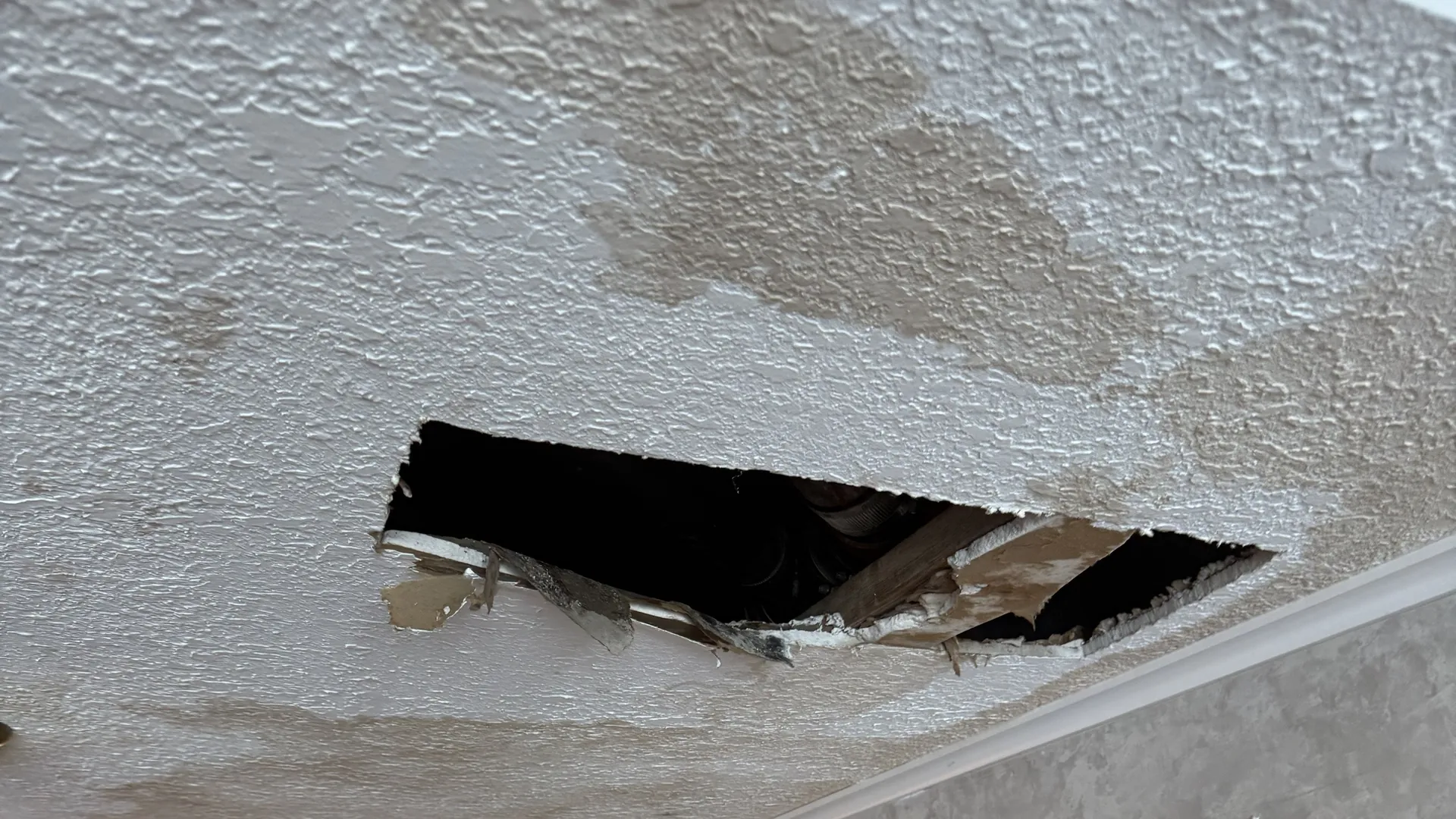

If your water bill jumped and nothing changed, you probably have a hidden leak. Slab leaks, in-wall leaks, underground line leaks: they don’t announce themselves until the damage is already happening.
Leak Problems We Investigate
- Unexplained water use and running toilets
- Hidden supply leaks in walls or beneath slabs
- Wet patches around water lines
- Locating a leak before discussing repair access
Signs You May Need This Service
Watch for unexplained water bills, damp walls, warm floor patches, or a meter that moves when fixtures are off. These clues need diagnosis; they do not identify the leak by themselves.
We use acoustic, thermal, and electronic detection equipment to pinpoint leaks within inches, not feet. That means smaller holes, targeted repairs, and less damage to your home. Jacksonville homes built before 1990 are especially prone to slab leaks as copper and cast iron pipes age out. We find them before they find your foundation.
Hearing water when nothing is on? We find where it is going first, give you your options, and price the repair before anyone opens a wall or a slab.
Call for Availability
Rapid response for active leak emergencies.
Camera Inspection
See inside your pipes.
Licensed & Insured
Professional plumbers you can trust.
Upfront Pricing
No surprise fees.
Leak guides
Most leak calls start with a bill or a sound, not a puddle. Start with the one that sounds like yours. Before anything else, know where your main water shutoff is.
Slab leaks
Warm spots in the floor, a meter that will not stop and why so many Jacksonville homes get them.
Why did my JEA bill jump?
How to tell normal summer use from a leak, plus the meter check you can do yourself.
The 5-minute toilet test
The most common hidden leak in the house, and a test that costs you a few drops of food coloring.
Hidden leak warning signs
Wet spots, musty smells, pressure changes and the other clues worth a closer look.
Low water pressure
One fixture or the whole house? Where weak pressure points, and when it means a leak.
Leak in the yard line?
Wet spots in the yard and whole-house pressure loss usually mean the main water line.
Finding Hidden Water Leaks
Here’s how we find hidden leaks and why catching them early matters:
Acoustic Detection
Sensitive microphones hear the sound of water escaping from pipes underground or in walls.
Thermal Imaging
Infrared cameras reveal temperature differences that indicate moisture and leaks.
Electronic Sensors
Line tracing equipment follows pipes and detects anomalies indicating leak locations.
Slab Leaks
Pipes under concrete can leak without visible signs until significant damage occurs.
High Water Bills
Call to confirm service availability.
Property Protection
Finding leaks early prevents mold, structural damage, and costly repairs.
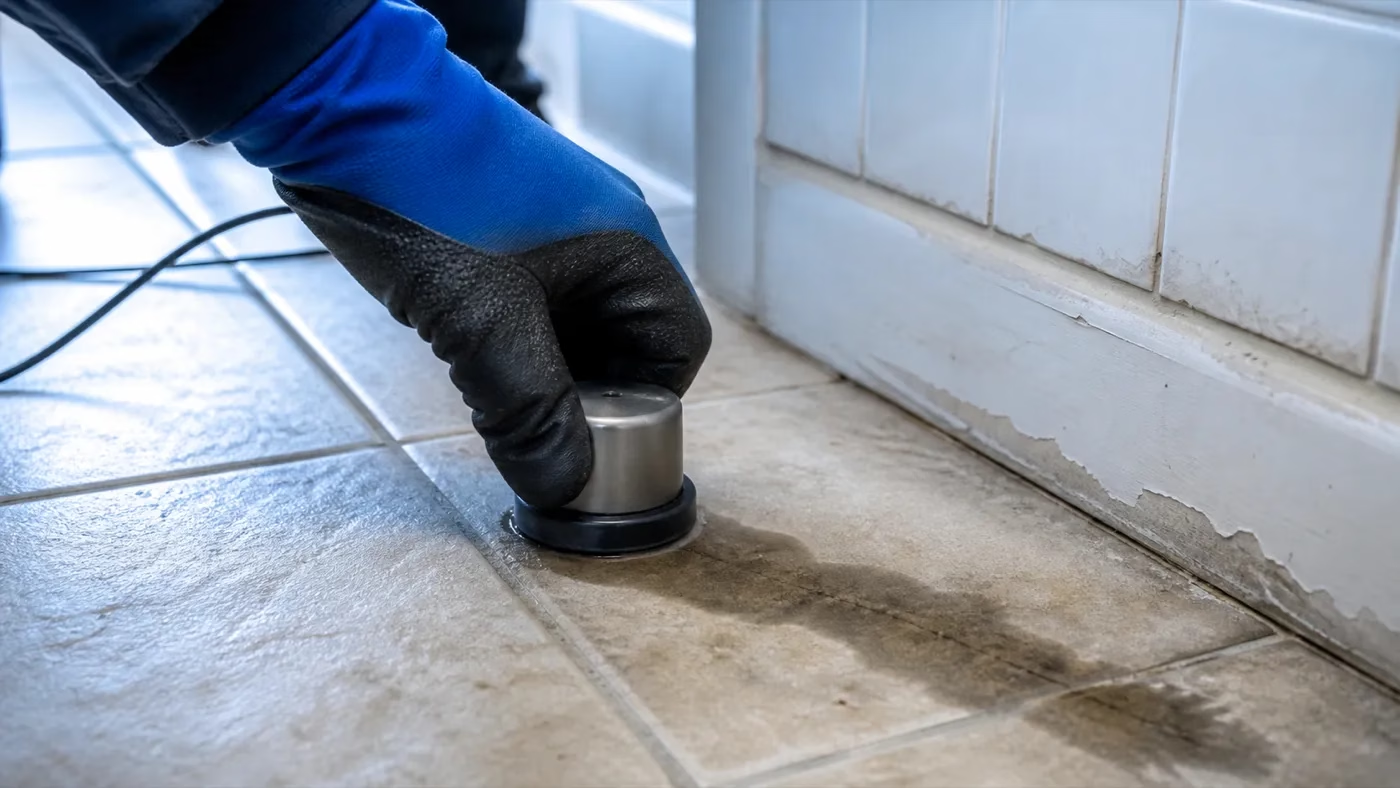
Our Water Leak Detection Process
Here is the order we work in, so nobody opens a wall on a hunch.
01
Initial Assessment
We review your concerns, water bills, and visible symptoms.
02
Detection Testing
Using specialized equipment, we systematically search for leak sources.
03
Pinpoint Location
We identify the exact leak location with minimal invasive testing.
04
Repair Options
You receive clear options and pricing for fixing the leak.
Why Choose Professional Leak Detection
Non-Destructive Methods
Our electronic and acoustic equipment locates leaks without cutting holes in walls or breaking up floors to search.
Pinpoint Accuracy
We locate leaks within inches, not feet. Precise detection means smaller, less expensive repairs.
Hidden Leak Specialists
Slab leaks, in-wall leaks, and underground leaks require specialized skills and equipment we’ve invested in.
Prevent Further Damage
Quick, accurate detection stops water damage, mold growth, and structural problems before they escalate.
Frequently Asked Questions
How do I know if I have a hidden leak?
Signs include unexplained high water bills, sounds of running water when nothing is on, wet spots, musty odors, mold growth, or a water meter that runs when all fixtures are off.
Why is my water bill so high when I can’t see a leak?
Start with the meter. Turn off every faucet, appliance and the irrigation, write down the reading, and check it again in 30 minutes. If it moved, water is going somewhere. The usual places are a running toilet, a dripping hose bib, an irrigation line, or a pipe under the slab or in the yard. Our JEA bill guide walks through the checks, and the 5-minute toilet test rules out the most common one.
How much does leak detection cost?
It depends on where we have to look. A toilet or a fixture is quick. A slab or a yard line takes more equipment and more time. You get the price before we start, and once we find the leak, you get your repair options priced up front, before anyone cuts into anything.
Is leak detection worth paying for?
Usually, if you can’t find it yourself. The other way to find a hidden leak is opening walls and floors until you hit it. Finding the spot first means a smaller hole, a smaller repair and less to patch. If the toilet test or a meter check turns it up first, you may not need us for the hunt at all.
Can you find leaks under concrete slabs?
Yes, we specialize in slab leak detection using acoustic and electronic equipment that can locate leaks under concrete without breaking up your floor.
How accurate is leak detection?
Our equipment allows us to pinpoint leak locations within inches, minimizing the need for exploratory demolition and reducing repair costs.
What if the leak is in the main water line?
We can detect leaks in underground water lines from the meter to your home. Once located, we offer repair or replacement options.
Does homeowners insurance cover leak detection?
Many policies cover leak detection when there’s resulting water damage. We provide documentation to support insurance claims.
How long does leak detection take?
Most residential leak detection services take 1 to 2 hours, depending on the complexity and property size. We’ll give you findings immediately.
Before you request service
What information should I have ready for a leak detection call?
Tell us your neighborhood or ZIP code, when you noticed the issue, whether water is visible, and whether the change is at one fixture or throughout the property. A recent bill or meter reading can help explain the pattern; you do not need to diagnose the leak before calling.
Is finding the leak the same as approving a repair?
No. Locating the problem comes first. We explain what we found and the repair options before you approve the work. If the supply line is involved, read about water line repair and replacement.
Related plumbing services and guidance
Explore Water Line Repair & Replacement in Jacksonville & Duval County or Sewer Camera Inspection in Jacksonville, FL to compare your next steps.
Related services: if leaks keep returning in old pipes, consider whole-house repiping.
 Atlantic Beach
 Neptune Beach
 Riverside
 Five Points
 San Marco
 Murray Hill
 Ortega
 Mandarin
 Mandarin Station
 Bartram Springs
 Baymeadows
 Deercreek
 Orange Park
 Cedar Hills
 Lakeshore