


As a Jacksonville homeowner, few things are more disruptive than a slow-moving or completely blocked drain. The gurgling sounds, the unpleasant odors, and the backed-up water in your sink or shower are signs of a hidden problem within your plumbing system. When faced with this issue, you’ll quickly discover two primary solutions offered by professional plumbers: snaking and hydro jetting. But which one is right for your home? Choosing incorrectly can lead to recurring clogs, wasted money, and even potential damage to your pipes.
This comprehensive guide is designed to demystify the process for you. You will learn the fundamental differences between snaking and hydro jetting, understand Europe there isn’t much the common types of blockages specific to Jacksonville homes, and discover why a professional diagnosis is the most critical first step. By the end of this article, you will be equipped with the knowledge to make an informed decision, ensuring you select the most effective, long-lasting solution for your drain dilemma and restore your home’s plumbing to optimal condition.
Introduction: Unclogging Your Jacksonville Home’s Mystery Drain
The Common Frustration: Dealing with Clogged Drains in Jacksonville
From historic homes in Riverside to newer constructions in Nocatee, clogged drains are a universal frustration for Jacksonville homeowners. A backed-up drain disrupts daily routines in kitchens and bathrooms, turning simple tasks like washing dishes or taking a shower into a messy ordeal. This is a widespread issue, with some data suggesting that nearly one in ten households experiences a blocked sink on a regular basis. The temptation to reach for a quick chemical fix is strong, but these often provide only temporary relief and can harm your pipes over time. The real solution lies in understanding the root cause of the blockage and choosing the right professional method to address it.
Not sure which method is right for your Jacksonville home? Take our quick drain diagnostic quiz to get a personalized recommendation based on your specific symptoms and plumbing situation.
Snaking vs. Hydro Jetting: Understanding the Core Dilemma for Homeowners
When you call a professional plumber, you’ll likely be presented with two main options: snaking (also called drain augering) and hydro jetting. At first glance, they might seem interchangeable—both are designed to clear clogs. However, they are fundamentally different processes. Snaking is a mechanical method that uses a metal cable to punch a hole through a blockage or pull it out. Hydro jetting, on the other hand, uses high-pressure water to obliterate the clog and scour the entire inner surface of the pipe clean. The core dilemma for homeowners is knowing which method is appropriate for their specific problem, pipe type, and budget.
Why Your Choice Matters: Beyond Just Clearing the Blockage
The decision between snaking and hydro jetting is more significant than it appears. It’s not just about getting the water flowing again today; it’s about preventing the same problem from happening again next month. Choosing a method that isn’t suited for the type of blockage—for example, using a simple drain snake on severe tree root intrusion—will only provide a temporary fix. The clog will inevitably return, leading to more service calls and mounting frustration. A proper diagnosis and the right solution can mean the difference between a one-time fix and a recurring plumbing nightmare, ultimately saving you time, money, and stress. The entire septic, drain, and sewer cleaning industry is a significant part of the U.S. economy, expected to be an $8.1 billion market in 2025, underscoring the importance of these services.
Understanding Your Enemy: Common Drain Blockages in Jacksonville Homes
The Pervasive Threat: Tree Root Intrusions in Florida’s Lush Landscape
Jacksonville’s beautiful, lush landscape, with its majestic oak and pine trees, presents a unique and formidable challenge to residential plumbing systems. Tree roots are naturally drawn to the moisture and nutrients found in sewer lines. They can infiltrate pipes through tiny cracks or loose joints, growing into a dense, fibrous mass that causes severe blockages. These tree root intrusions are one of the most common and destructive causes of drain problems in the area. They don’t just block the pipe; they can exert enough pressure to crack or even shatter older pipes, turning a simple clog into a major plumbing emergency requiring extensive repairs.
Everyday Culprits: Grease, Soap Scum, Hair, and Food Debris in Kitchen Sinks and Bathrooms
While tree roots are a major external threat, the most frequent causes of clogs originate right inside our homes. In kitchen sinks, the primary culprits are grease, fats, and oils poured down the drain. These substances cool and solidify on the pipe walls, creating a sticky trap for food particles and other debris. Over time, this buildup narrows the pipe’s diameter until it’s completely blocked. In bathrooms, the combination of hair, soap scum, and toothpaste creates similar stubborn clogs. The binders in modern soaps react with minerals in the water to form a hard, caked-on residue that a simple plunger can’t dislodge.
Hard Water and Mineral Deposits: A Silent Build-up on Pipe Walls
Jacksonville, like much of Florida, has moderately hard water. This means the water contains a higher concentration of dissolved minerals like calcium and magnesium. While harmless to drink, these minerals can wreak havoc on your plumbing system over time. As water flows through your pipes, these minerals precipitate out and form a hard, crusty layer known as scale. This scale buildup gradually restricts water flow, reduces the efficiency of your plumbing, and creates a rough surface that snags debris, accelerating the formation of blockages. This silent buildup is often an underlying factor in recurring drain issues.
Other Obstacles: From Foreign Objects to Structural Pipe Issues
Beyond the usual suspects, drains can be blocked by a wide array of other obstacles. In households with young children, it’s not uncommon for small toys, wipes (even “flushable” ones), or other foreign objects to be accidentally flushed down the toilet, causing immediate and severe clogs. Furthermore, the pipes themselves can be the source of the problem. Older homes in Jacksonville may have cast iron or clay pipes that have started to corrode, collapse, or develop “bellies”—sags in the line where water and debris collect. These structural issues require more than just clearing a blockage; they often necessitate a more comprehensive diagnostic and repair strategy.
Traditional Drain Clearing: The Mechanics and Benefits of Snaking (Drain Augering)
What is Drain Snaking? The Role of the Drain Snake and Cable Machine
Drain snaking, technically known as drain augering, is the traditional method for clearing clogged drains. The primary tool is a drain snake, which consists of a long, flexible metal cable coiled inside a drum. One end of the cable is equipped with an interchangeable head, or nozzle, designed to break up or retrieve a blockage. For simple clogs in a sink or shower, a plumber might use a small, hand-cranked snake. For more significant blockages in main sewer lines, they use a powerful, motorized cable machine that can extend the metal cable over a hundred feet into the plumbing system.
How a Professional Drain Auger Works: Exploring Different Cutting Heads and Corkscrews
A professional plumber’s drain auger is a versatile tool, largely due to its array of interchangeable heads. The process involves feeding the flexible metal cable into the drain until it reaches the obstruction. The plumber then activates the motor, which rotates the cable and the attached head. A corkscrew-shaped auger is designed to snag and pull back soft obstructions like hair or paper products. A C-shaped cutter can scrape grease and soap scum from the pipe walls, while a more aggressive spade or saw-toothed cutter can be used to break apart tougher blockages, including small tree roots. The goal is to either pulverize the clog so it can be flushed away or retrieve it by pulling the cable back.
When Snaking is the Right Choice: Addressing Minor to Moderate Clogs
Snaking is a highly effective and cost-efficient solution for specific types of drain problems. It is the ideal choice for simple, localized clogs, such as a hairball in a shower drain or a food blockage in a kitchen sink P-trap. When a foreign object, like a child’s toy, is causing the backup, the corkscrew auger on a drain snake is perfect for latching onto it and pulling it out without pushing it further down the line. For minor to moderate clogs caused by everyday debris, snaking is often the quickest and most straightforward way to restore flow to a single drain line. It is a reliable first-line defense for many common plumbing frustrations.
Limitations of Snaking: When Mechanical Removal Isn’t Enough for Severe Clogs
Despite its utility, snaking has significant limitations. The primary drawback is that it typically only clears a path through the blockage rather than removing it entirely. Imagine a pipe filled with thick grease; the snake’s cutting head will bore a hole through the center of the grease, restoring flow temporarily. However, a substantial amount of greasy residue will remain on the pipe walls, ready to start a new clog. For more severe issues like heavy scale buildup or a dense mat of tree roots, a simple drain snake may lack the power to break through. It might get entangled in the roots or fail to make a significant impact on hardened mineral deposits.
Pros and Cons of Plumbing Snaking for Jacksonville Pipes
For homeowners in Jacksonville, it’s crucial to weigh the advantages and disadvantages of snaking.
Pros:
- Cost-Effective: It is generally less expensive than hydro jetting for a single service call.
- Effective for Solid Objects: It is the preferred method for retrieving foreign objects that have been flushed or dropped down a drain.
- Widely Available: Nearly every professional plumber is equipped to perform drain snaking.
- Less Invasive: It is a relatively gentle process that is safe for most types of pipes, including older, more fragile ones.
Cons:
- Temporary Solution: It often leaves behind residue on the pipe walls, leading to recurring clogs.
- Limited Effectiveness: It struggles against heavy grease, sludge, hard scale, and extensive tree root infiltration.
- Risk of Pipe Damage: In inexperienced hands, the rotating metal cable can scratch or damage the interior of pipes, particularly PVC or older cast iron.
- Doesn’t Clean: Snaking clears a path; it does not clean the entire diameter of the pipe.
The Powerhouse Solution: Understanding Hydro Jetting (Water Jetting)
What is Hydro Jetting? Leveraging High-Pressure Water for Superior Cleaning
Hydro jetting is a modern, powerful drain cleaning method that utilizes high-pressure water to resolve blockages and thoroughly clean plumbing lines. Unlike snaking, which is a mechanical process, hydro jetting is a hydraulic one. It employs a specialized pump and hose system to deliver a controlled stream of water at extremely high pressure into the pipes. This force is strong enough to obliterate even the most stubborn obstructions, from hardened grease and sludge to invasive tree roots, and flush them completely out of the plumbing system. It’s the difference between poking a hole in a problem and erasing it entirely. The growing adoption of this technology is reflected in market trends, with the hydro-jetting services market projected to reach approximately $2.5 billion by 2033.
How Hydro Jetting Works: The Nozzle, High-Pressure Hose, and Pressurized Water
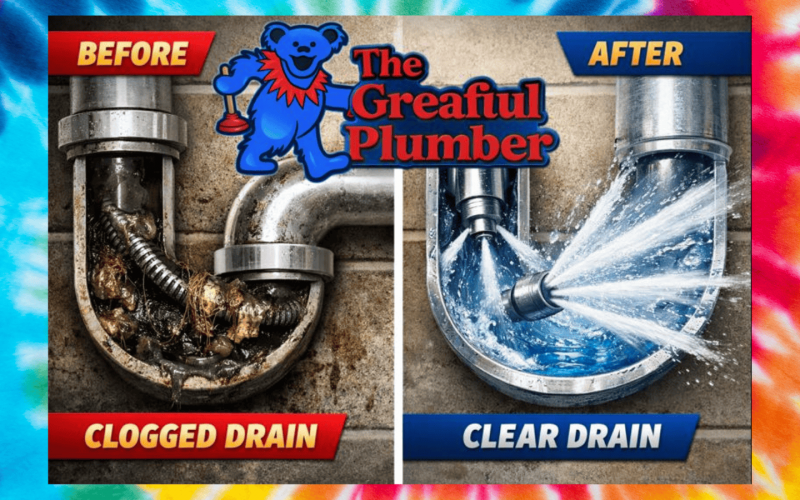
The hydro jetting process is both simple in concept and sophisticated in execution. A professional plumber inserts a flexible, high-pressure hose into the drain line. At the end of this hose is a specialized nozzle with multiple jets. Some jets point forward to break through the core of the blockage, while others are angled backward. As the high-pressure water is released, these rear-facing jets propel the nozzle forward through the pipe while simultaneously blasting away debris and scouring the pipe walls. The pressurized water effectively sandblasts the interior of the pipe, removing 100% of the buildup and restoring it to a like-new condition.
Ideal Scenarios for Hydro Jetting: Tackling Massive Clogs, Grease, and Tree Roots
Hydro jetting is the go-to solution for severe and recurring drain problems where snaking falls short. It is exceptionally effective against soft blockages like grease and sludge, which it emulsifies and flushes away completely. For dense mats of tree roots that have infiltrated a sewer line, the high-pressure water stream acts like a razor, shredding the roots and clearing the line. It is also the only truly effective method for removing hard mineral scale that has built up on the pipe walls over years. For Jacksonville homeowners dealing with persistent clogs that keep coming back, hydro jetting often provides the definitive, long-term solution.
Benefits Beyond Clog Removal: Scouring Pipe Walls and Preventing Future Blockages
The most significant advantage of hydro jetting is that it does more than just remove the immediate clog; it provides a comprehensive cleaning of the entire pipe. By scouring the pipe walls and removing every trace of grease, scale, and organic matter, it eliminates the sticky surfaces that new debris would cling to. This leaves the interior of the pipe smooth, significantly slowing the formation of future blockages. For this reason, hydro jetting is considered a preventative maintenance tool as much as a reactive solution, extending the life of your plumbing system and reducing the frequency of emergency calls.
Hydro Jetting Pressure Levels: From 1500 psi to 5000 psi and What It Means for Your Pipes
Professional hydro jetting equipment is adjustable, allowing plumbers to calibrate the water pressure to suit the specific situation. For smaller, residential lines like those in kitchens and bathrooms, a pressure of around 1,500 pounds per square inch (PSI) is typically used to safely clear clogs without harming the pipes. For larger, more stubborn blockages in main sewer lines, the pressure can be increased up to 4,000 or even 5,000 PSI. A skilled technician will always assess the condition and material of your pipes before determining the appropriate pressure level to use, ensuring the process is both effective and safe for your home’s plumbing system.
Pros and Cons of Hydro Jetting for Comprehensive Drain Cleaning
Pros:
- Extremely Effective: It removes virtually any type of blockage, including those that are impossible to clear with a snake.
- Thorough Cleaning: It scours the entire pipe wall, not just the blockage, preventing future clogs.
- Long-Lasting Solution: Because it cleans so thoroughly, the results last significantly longer than snaking.
- Versatile and Safe: When performed by a professional, it is safe for all types of pipes, including PVC, cast iron, and clay.
Cons:
- Higher Upfront Cost: Hydro jetting is more expensive than a standard snaking service due to the specialized equipment and expertise required.
- Not for Fragile Pipes: It is not recommended for pipes that are already cracked, broken, or severely corroded, as the high pressure could exacerbate the damage.
- Requires Professional Expertise: This is not a DIY job. It must be performed by a trained technician who knows how to regulate the pressure and handle the equipment safely.
The Non-Negotiable First Step: Why a Video Camera Inspection is Essential for Jacksonville Drains
Seeing is Believing: Diagnosing the True Cause of Drain Blockages
Attempting to clear a drain without first knowing the exact cause of the blockage is like trying to perform surgery blindfolded. A video camera inspection is the single most important diagnostic tool in a professional plumber’s arsenal. This process involves feeding a small, high-resolution waterproof camera attached to a flexible cable into your drain line. The camera transmits a live feed to a monitor, allowing you and the plumber to see the inside of your pipes in real-time. This eliminates all guesswork, revealing precisely what is causing the clog, where it is located, and the overall condition of your plumbing system.
Before you schedule that camera inspection, take our free drain assessment quiz to understand what type of service might be best for your situation. It only takes 2 minutes and helps you have a more informed conversation with your plumber.
Pinpointing the Problem: From Tree Root Growth to Pipe Damage
A video inspection provides invaluable information that dictates the correct course of action. It can clearly distinguish between a simple buildup of grease and a massive intrusion of tree roots. It can identify if a pipe has a “belly” or sag where debris is collecting. Crucially, it can reveal underlying structural problems, such as cracks, corrosion, or collapsed sections of the pipe, that are the true source of your recurring backups. Without this visual confirmation, a plumber might waste time and your money on a solution that doesn’t address the root cause.
Jacksonville’s Unique Pipe Profile: Inspecting Cast Iron, ABS Pipes, and Older Plumbing Systems
This diagnostic step is particularly vital in Jacksonville, where homes feature a wide variety of plumbing materials and ages. An older home in San Marco might have original cast iron pipes that are prone to corrosion and root intrusion. A newer home may have ABS or PVC pipes that are less susceptible to corrosion but can still be damaged by improper cleaning methods. A video inspection allows a plumber to assess the integrity of your specific pipes. They can determine if your cast iron pipe is strong enough to withstand hydro jetting or if a more delicate approach is needed.
The Inspection Report: Guiding Your Plumbing Solutions
After the inspection, a professional plumber can provide you with a detailed report, often including a recording of the footage. This report serves as a roadmap, guiding the decision between snaking and hydro jetting. If the inspection reveals a minor clog in an otherwise healthy pipe, snaking might be the recommended, cost-effective solution. However, if the camera shows pipe walls caked with grease or infiltrated by tree roots, hydro jetting will be the clear choice for a long-term fix. This evidence-based approach ensures you are investing in the right solution for your specific problem.
Preventing Unnecessary Damage: Why Guessing Can Be Costly
Choosing a drain cleaning method without a prior video inspection is a significant gamble. Using a powerful hydro jet on a pipe that is already cracked or fragile could cause it to break completely, turning a simple clog into a costly excavation and pipe replacement project. Conversely, repeatedly snaking a line that has a serious root problem is a waste of money that only delays the inevitable need for a more powerful solution. An inspection prevents these costly errors, protects your property, and ensures the chosen method is both safe and effective. The financial stakes are high, with one survey from Hippo Insurance indicating that 60% of homeowners paid over $200 for their last plumbing repair.
Snaking vs. Hydro Jetting: Choosing the Right Solution for Your Jacksonville Home
The decision between snaking and hydro jetting ultimately comes down to a careful assessment of your specific situation, guided by the findings of a professional video camera inspection.
For a single, isolated clog—like a slow-draining bathroom sink or a kitchen drain backed up with food debris—in a home with otherwise healthy plumbing, snaking is often the perfect solution. It is a quick, targeted, and affordable way to punch through the obstruction and restore immediate flow. It’s the right tool for a simple job.
However, if you are experiencing recurring clogs throughout your home, slow drains in multiple locations, or foul odors emanating from your pipes, it’s a sign of a more systemic problem. When a video inspection reveals extensive grease buildup, heavy scale, or the tell-tale signs of tree root intrusion, hydro jetting is the superior and more responsible choice. While the initial investment is higher, it provides a comprehensive cleaning that solves the underlying issue, preventing the frustrating cycle of repeated blockages and service calls. It addresses the cause, not just the symptom, offering unparalleled long-term value and peace of mind for your Jacksonville home.
What’s Next?
You have now navigated the complexities of the Jacksonville drain dilemma. You understand that snaking is a tool for clearing a path through a specific clog, while hydro jetting is a comprehensive solution for cleaning the entire pipe. You’ve learned about the unique challenges our local environment poses, from aggressive tree roots to hard water buildup, and you recognize that everyday grease and hair can lead to stubborn blockages. Most importantly, you know that a professional video camera inspection is the non-negotiable first step to accurately diagnose the problem and protect your home’s plumbing system. Plumbing system issues are incredibly common, with a 2023 report from ConsumerAffairs noting that they were the most frequent home repair needed.
Your next step is to move from diagnosis to action.
- Assess Your Situation: If you have a single, slow-moving drain, note its location and any symptoms. If you have multiple recurring issues, make a list of all affected drains.
- Do Not Use Chemical Cleaners: These can cause more harm than good, masking the problem and potentially damaging your pipes.
- Schedule a Professional Video Inspection: The only way to know for sure what is happening inside your pipes is to see it. Contact a trusted local plumber to perform a thorough camera inspection. This will provide the definitive evidence needed to choose the right solution.
- Discuss the Findings: Review the inspection footage and report with your plumber. They can explain the severity of the blockage, the condition of your pipes, and recommend whether snaking or hydro jetting is the most effective and safest course of action for your Jacksonville home.
Take Our Drain Diagnostic Quiz: Not sure where to start? Answer a few quick questions about your drain symptoms, and we’ll guide you toward the right solution and next steps for your Jacksonville home.
By taking these steps, you can confidently address your drain issues with a targeted, effective solution that not only solves the immediate problem but also helps protect the long-term health of your entire plumbing system.