


This isn’t a coincidence. The sheer volume and type of food waste produced during the holiday puts an unprecedented strain on your home’s entire plumbing system. The immediate aftermath of a clogged kitchen sink or a backed-up garbage disposal is just the beginning. The real issue is the slow, cumulative damage that sets the stage for future problems. Ignoring proper cleanup methods creates a narrative of ongoing issues, a sort of plumbing ellipsis… where the problems simply continue. This guide provides seven simple, effective cleanup tips to break that cycle, protecting your pipes and ensuring your home is ready for many more stress-free feasts to come.
Introduction: Navigating the “Brown Friday” Plumbing Rush
The term “Brown Friday” paints a vivid, if unpleasant, picture of the plumbing chaos that follows Thanksgiving. According to Angi, plumbing issues spike almost 40% on the day after the holiday, transforming a day of relaxation and shopping into one of frantic calls to plumbers. The primary battleground for this post-holiday crisis is overwhelmingly the kitchen sink.
The Hidden Dangers of Post-Thanksgiving Cleanup
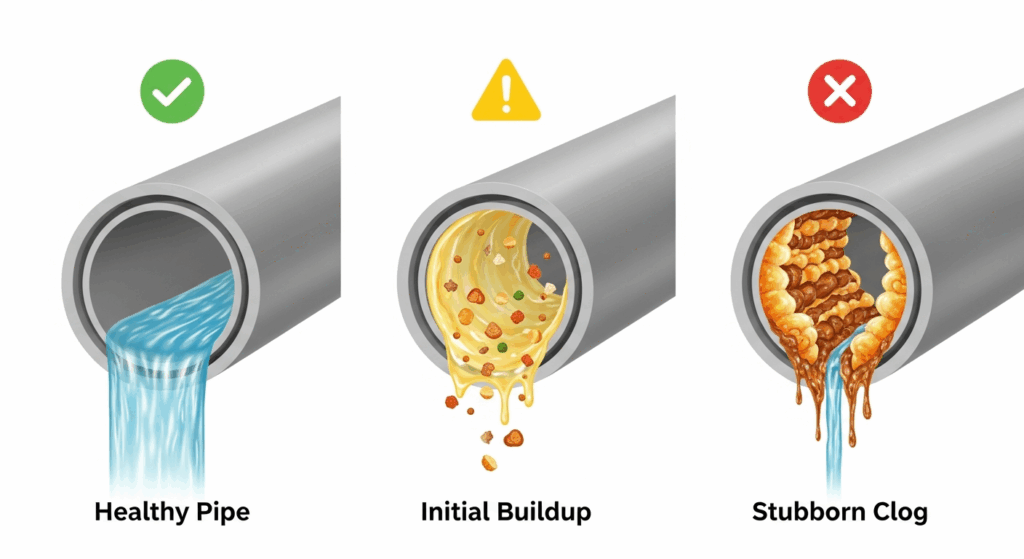
Fats, oils, and grease from holiday leftovers cool and solidify inside your pipes, trapping other food particles and creating stubborn clogs over time.
The danger lies not just in the volume of scraps but in their specific composition. Gravy, turkey drippings, buttery mashed potatoes, and oily dressings are the primary antagonists in this story. When rinsed down the drain, these substances don’t simply wash away. They cool, congeal, and cling to the inner walls of your pipes, creating a sticky trap for other food particles. This gradual buildup narrows the passage for water, leading inevitably to a stubborn clog that can bring your home’s plumbing to a grinding halt.
Why Your Pipes Need Special Attention After the Feast
A single Thanksgiving meal might not cause a complete blockage in a healthy plumbing system, but it lays a dangerous foundation. Each subsequent meal where poor disposal habits are practiced adds another layer to this internal plaque. Your pipes require special attention after a large feast because this event acts as a stress test, revealing weaknesses and accelerating pre-existing issues. Proactive and proper cleanup is more than just tidying up; it’s preventative maintenance for one of your home’s most critical systems, safeguarding it for every future holiday gathering.
The Core Culprits: What Your Pipes Hate Most
To protect your plumbing system, you first need to understand its enemies. Certain types of food waste have a destructive character that makes them particularly harmful to your drain and pipes. Identifying these culprits is the first step toward preventing a post-feast plumbing disaster.
Fats, Oils, and Grease (FOG): The Number One Enemy
When hot and in liquid form, pouring FOG down the kitchen sink seems harmless. However, as it travels through the cooler pipes, it rapidly solidifies into a thick, waxy substance.
Fats, Oils, and Grease—collectively known as FOG—are the undisputed arch-nemesis of your plumbing. This category includes everything from turkey drippings and bacon fat to butter, cooking oil, and gravy. This sludge coats the interior of the pipes, creating a sticky surface that catches and holds onto other debris, gradually forming a dense, immovable clog.
The Garbage Disposal Misconception: More Than Just a Grinder
Many homeowners treat their garbage disposal as an all-powerful food waste destroyer, but this is a critical misunderstanding. A garbage disposal is not a trash compactor; it’s a grinding device designed to shred soft food particles into smaller pieces that can be washed away with water. It cannot handle everything. With Americans poised to waste a staggering amount of food, as noted by ReFED, which estimates 320 million pounds of food waste this Thanksgiving, the temptation to overuse the disposal is high. Overloading the device or feeding it the wrong materials puts immense strain on its motor and can send clog-forming substances directly into your pipes.
Other Common Drain Destroyers
Beyond FOG, several other common Thanksgiving foods are notorious for causing blockages.
Starchy Foods: Mashed potatoes, stuffing, pasta, and rice expand when mixed with water, forming a thick, paste-like substance that can quickly obstruct a drain.
Fibrous Vegetables: Celery, corn husks, onion skins, and potato peels have a stringy, fibrous character. These fibers can wrap around the garbage disposal blades, causing the device to jam, or can bundle together in the pipes to form a net-like clog.
Coffee Grounds and Eggshells: While not exclusively Thanksgiving-related, these common kitchen scraps don’t dissolve. Instead, they accumulate in pipes, contributing to the formation of dense, sediment-like blockages over time.
Your 7 Simple Clean-up Tips for Pipe Protection
Armed with knowledge of what harms your pipes, you can now implement a simple but powerful cleanup strategy. These seven tips will help you navigate the Thanksgiving aftermath efficiently, ensuring your plumbing system remains healthy and clog-free.
Tip 1: Master the Pre-Wash Scrape & Strain
The most effective way to protect your drain is to prevent food from entering it in the first place. Before any dish goes into the sink or dishwasher, scrape all food remnants—solids, sauces, and gravies—into the trash or compost bin. For an added layer of protection, use a mesh strainer in your kitchen sink drain to catch any particles that are missed during the scraping process. This simple habit is the first and most crucial line of defense.
Tip 2: The Right Way to Dispose of Fats, Oils, and Grease (FOG)
Never pour FOG down the drain. The proper disposal method is simple:
Cool It: Allow the grease to cool slightly in the pan.
Can It: Pour the cooled liquid into a sealable container, such as an old coffee can, glass jar, or a specialized grease disposal bag. Some modern products are designed specifically for this purpose.
Trash It: Once the FOG has solidified, seal the container and dispose of it in the trash. For pans with a thin layer of residual grease, wipe them thoroughly with a paper towel before washing.
Tip 3: Optimized Garbage Disposal Post-Feast Care
If you must use your garbage disposal, do so correctly.
Run Cold Water: Always have a strong flow of cold water running before, during, and for at least 30 seconds after using the disposal. Cold water helps keep any residual FOG solidified so it can be chopped and flushed away more effectively.
Feed It Slowly: Don’t overload the device. Feed small, soft food scraps into the disposal gradually.
Clean It Naturally: After use, you can freshen the disposal by grinding a few ice cubes and some citrus peels. This helps clean the blades and deodorize the unit.
Tip 4: The Strategic Hot Water Flush
While cold water is best when using the disposal, a strategic hot water flush can be beneficial after the dishes are done. Once the sink is empty, run hot water down the drain for a few minutes. This can help liquefy and wash away any fresh, minor grease residue that may have made its way into the pipes. However, remember this is a maintenance step, not a cure for an existing clog or a large amount of FOG.
Tip 5: Boost Your Drains with Baking Soda and Vinegar (Maintenance, Not Miracle)
For a gentle, preventative cleaning, consider a natural drain cleaner solution. Pour about a half-cup of baking soda down the drain, followed by a half-cup of white vinegar. Let the mixture fizz and work for 15-30 minutes, then flush thoroughly with hot water. This method can help break down minor buildup and deodorize the drain, but it is not a substitute for proper disposal habits and will not clear a serious clog.
Tip 6: Proactive Bathroom Pipe Prep & Post-Guest Check
Kitchen pipes aren’t the only ones under strain. With extra guests, your bathrooms see more use, increasing the risk of a clogged toilet or slow drain. Ahead of Thanksgiving, ensure bathrooms are stocked with a trash can for non-flushable items. After guests leave, do a quick check to ensure toilets are flushing properly. The day after the holiday sees a notable increase in calls for all types of plumbing issues; as Yelp data shows, searches for ’emergency plumber’ jumped 27% on Brown Friday, indicating that problems extend beyond the kitchen.
Tip 7: The “Future Feast” Pipe Health Check-up
The best way to ensure your pipes are ready for the next big meal is to keep an eye on their performance. Periodically check for slow drains in your kitchen and bathrooms, as this is an early warning sign of a developing clog. If you notice a minor blockage, a simple plunger can often resolve the issue before it worsens. Regular awareness of your plumbing system’s health is the ultimate strategy for long-term protection.
Beyond the Basics: When to Call the Plumbers
Even with the best preventative measures, serious plumbing issues can arise. Knowing the difference between a minor issue you can handle and a major problem that requires professional help is key to avoiding costly damage.
Recognizing Signs of Serious Plumbing Issues
It’s time to call professional plumbers if you notice any of these red flags:
Multiple Clogged Drains: If more than one fixture (e.g., a sink and a toilet) is backing up simultaneously, the clog is likely deep within your main sewer line.
Water Backing Up: Water coming back up into a sink, shower, or tub—especially when another fixture is used—signals a significant blockage.
Persistent Slow Drains: If a drain remains slow despite your attempts to clear it, the clog is likely too dense or too far down for DIY methods.
Gurgling Sounds: Strange noises coming from your drains or toilet are often a sign of trapped air in the pipes, indicating a blockage is forming.
Avoiding DIY Disasters
When faced with a stubborn clog, it can be tempting to reach for a bottle of harsh chemical drain cleaner. However, these products can be highly corrosive, potentially damaging older metal pipes and even PVC pipes over time. They are also often ineffective against heavy grease clogs. Similarly, improper use of a plumbing snake or auger can scratch or puncture pipes. If a plunger doesn’t work, it’s safer and more effective to call for professional assistance.
The Value of Professional Plumbing Services
Licensed plumbers have the expertise and specialized equipment—such as professional-grade augers and hydro-jetting machines—to diagnose and resolve the problem safely and effectively. While there is a cost for their service, it is often far less than the expense of repairing damage caused by a burst pipe or a major sewer backup resulting from a mishandled clog.
Conclusion: Feast Happily, Clean Smartly, Protect for Tomorrow
The Thanksgiving holiday is a time for celebration, not for stressing over plumbing emergencies. By adopting a smarter, more proactive approach to cleanup, you can protect your home’s pipes from the intense strain of the holiday feast and avoid becoming another “Brown Friday” statistic.
Recap of the Benefits of Proactive Clean-up
The seven simple tips outlined above—from scraping plates and properly disposing of FOG to using your garbage disposal correctly and performing regular maintenance—are your best defense. They not only prevent immediate clogs but also contribute to the long-term health of your entire plumbing system. This mindful approach saves you from the cost of emergency repairs, protects your home from water damage, and reduces stress.
Enjoying Stress-Free Future Gatherings
Proper cleanup doesn’t just solve a problem; it ends the cycle. It replaces the ominous horizontal ellipsis of recurring plumbing woes with a definitive period. By investing a little extra care after this year’s Thanksgiving, you are ensuring that your home remains a welcoming, functional, and stress-free place for all the future feasts and cherished family gatherings yet to come.
Need Peace of Mind Plumbing for Your Jacksonville Home?
At The Grateful Plumber, we understand that the holidays are for celebrating with family—not dealing with plumbing emergencies. Whether you’re dealing with a stubborn post-Thanksgiving clog or you want to schedule a preventative check-up before your next big gathering, we’re here to help Jacksonville homeowners keep their plumbing systems running smoothly.
Our team specializes in serving historic neighborhoods throughout Jacksonville, including Murray Hill, Riverside, San Marco, Ortega, and Cedar Hills. We know the unique challenges that come with vintage home plumbing systems, and we’re equipped to handle everything from routine maintenance to emergency repairs.
Ready to protect your pipes and enjoy worry-free holidays? Give us a call at (904) 643-3946 or schedule your service online. We’ll bring the expertise—and the peace of mind—you deserve.