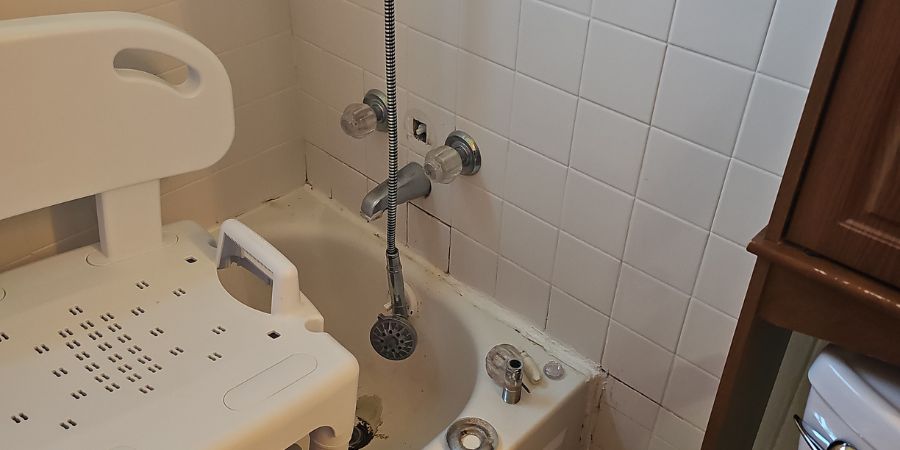
There’s nothing quite like stepping into a shower only to find yourself standing in ankle-deep water because yesterday’s shower didn’t drain properly. Or flushing the toilet and watching the water rise instead of fall, panic setting in as you wonder if it’s going to overflow.
Bathroom plumbing issues are frustrating, embarrassing, and almost always preventable. At The Greatful Plumber, we’ve pulled some truly impressive hair clogs from drains and fixed countless toilet problems that started small and became emergencies.
Here’s how to avoid becoming another service call story.
The Hair Situation: Public Enemy Number One
Let’s address the elephant in the bathroom: hair is your drain’s worst enemy. A single strand seems harmless, but multiply that by daily showers for months, and you’ve got a tangled mess catching soap scum, dead skin cells, and anything else going down your drain.
Why Hair Clogs Are So Stubborn
Hair doesn’t break down or dissolve. It tangles around itself, creating a net that catches everything else. Add soap residue (which hardens over time), and you’ve basically created a concrete reinforced barrier in your pipes.
The worst part? By the time you notice slow drainage that keeps coming back, the clog is already substantial. That “slight slowness” means there’s probably a hairball the size of a small rodent lurking in your P-trap.
The Right Way to Handle Hair
Prevention beats removal every time:
- Install a quality drain cover or hair catcher in every shower and tub
- Brush hair before showering to remove loose strands
- Clean drain covers weekly (yes, it’s gross, but it takes 30 seconds)
- Never let hair “just rinse down” the drain intentionally
The Best Drain Covers:
Not all drain covers are equal. Those flat metal screens with holes? Useless. Hair slips right through. Instead, get:
- Silicone mushroom-style covers that sit in the drain
- Fine mesh domed strainers that catch everything
- TubShroom or DrainWig devices designed specifically for hair
Spend $10-15 on a good hair catcher, or spend $150+ on a plumber. Your choice.
DIY Hair Clog Removal (When Prevention Failed)
You’ve got a hair clog despite your best efforts. Before calling for help, try these methods:
The Zip-It Tool Method
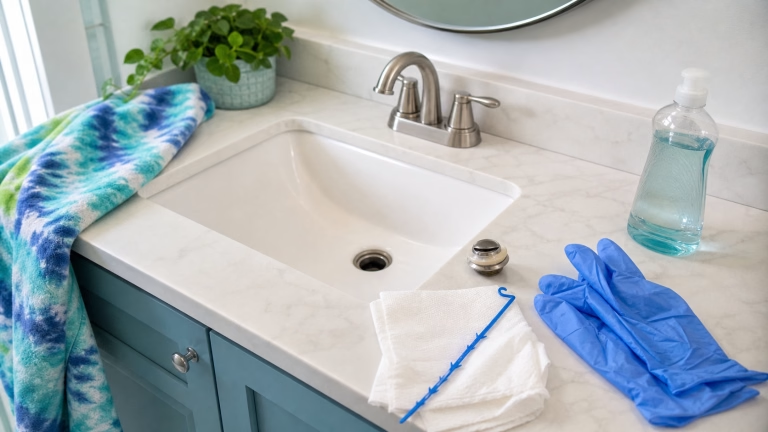
This is the most effective DIY solution. A Zip-It is a plastic strip with barbs that grabs hair as you pull it out. They cost about $3 at any hardware store.
How to Use It:
- Remove the drain cover
- Insert the Zip-It straight down into the drain
- Wiggle it slightly as you push it down
- Slowly pull it back up (prepare yourself mentally for what comes out)
- Dispose of the hair clump in the trash
- Repeat until nothing comes out
- Flush with hot water
Pro Tip: Do this every few months as preventive maintenance, even if your drain seems fine.
The Wire Hanger Method (Last Resort)
If you don’t have a Zip-It, you can fashion a makeshift version from a wire coat hanger:
- Straighten the hanger except for the hook
- Use pliers to create small barbs along one side (bend wire slightly outward)
- Feed it down the drain slowly
- Pull up to grab hair
Warning: Be gentle. Wire can scratch pipes, especially older ones. This is why plastic Zip-Its are better.
What NOT to Do
Never use chemical drain cleaners for hair clogs. Here’s why:
- They rarely dissolve hair effectively
- They create toxic fumes
- They damage pipes, especially older metal ones
- They make the situation dangerous if you need to plunge or snake later
- If they don’t work, you now have caustic chemicals sitting in your pipes
Shower and Tub Drain Maintenance
Your shower drain handles soap, shampoo, conditioner, shaving cream, dead skin, and hair daily. It needs regular attention.
Monthly Maintenance Routine
Week 1: Remove and clean the drain cover thoroughly. Soak in vinegar if there’s soap scum buildup.
Week 2: Use the Zip-It tool to pull out any hair, even if the drain seems fine.
Week 3: Pour baking soda down the drain followed by vinegar. Let it fizz for 30 minutes, then flush with hot water.
Week 4: Check the P-trap under the tub if accessible. Look for leaks or corrosion.
Deep Cleaning the P-Trap
That U-shaped pipe under your sink isn’t under your tub, but if you have access (through a panel or from below), cleaning it prevents clogs:
- Place a bucket underneath
- Unscrew the slip nuts (turn counterclockwise)
- Remove the trap and dump contents
- Clean inside with a bottle brush
- Check washers and replace if cracked
- Reassemble and test for leaks
Can’t Access Your Tub P-Trap? Most tubs don’t have easy access. That’s why preventing clogs before they reach the trap is critical.
Bathroom Sink Drains: The Forgotten Problem
Everyone focuses on tub drains, but bathroom sink drains have their own issues:
Common Bathroom Sink Problems
Toothpaste buildup: Hardens in pipes and catches everything else Hair from shaving: Men’s facial hair is coarser and clogs differently than head hair Makeup and cosmetics: Creates sticky residue Soap scum: Combines with everything to form concrete-like deposits
The Pop-Up Stopper Problem
That little lever that raises and lowers your sink stopper? It’s a hair and gunk magnet.
How to Clean It:
- Locate the horizontal rod under the sink (connects to the pop-up)
- Unscrew the retaining nut holding the rod to the drain pipe
- Pull out the rod and stopper together
- Clean everything thoroughly (it’ll be disgusting)
- Reassemble in reverse order
Do this every 3-6 months, and your bathroom sink will drain like new.
The Toothpaste Buildup Solution
Once a week, fill the sink with hot water, then pull the stopper and let it drain quickly. This creates pressure that helps flush toothpaste and other buildup.
Follow with a baking soda and vinegar treatment monthly.
Toilet Maintenance: Prevention and Quick Fixes
Toilets are surprisingly simple devices that people manage to break in creative ways. Most problems are preventable with basic understanding.
What Should Never Be Flushed
This seems obvious, but we still pull these items from clogged toilets:
Never Flush:
- “Flushable” wipes (they’re not, despite the label)
- Paper towels or napkins
- Cotton balls or swabs
- Dental floss
- Hair
- Feminine hygiene products
- Medication
- Cat litter
- Cigarette butts
- Anything that isn’t toilet paper or human waste
Reality Check: If the package says “flushable,” it means it will physically go down your toilet. It does NOT mean it won’t clog your pipes or damage your septic system. The only thing that should be flushed besides waste is toilet paper designed to break down quickly.
The Running Toilet Fix
A toilet that won’t stop running wastes 200+ gallons of water per day. Usually, it’s a simple fix:
Most Common Causes:
- Flapper valve worn out: The rubber seal at the bottom of the tank deteriorates and won’t seal properly. Replace it ($5 at hardware stores).
- Chain too short or tangled: Adjust the chain so the flapper can close completely but has minimal slack.
- Float is too high: Bend the float arm down slightly so water shuts off at the proper level.
- Fill valve needs replacement: If adjusting doesn’t work, replace the entire fill valve assembly ($15-20).
Quick Test: Put food coloring in the tank. If color appears in the bowl without flushing, your flapper is leaking.
The Weak Flush Problem
If your toilet doesn’t flush with enough force, check these issues:
- Clogged rim jets: The small holes under the toilet rim get clogged with mineral deposits. Clean them with a wire or vinegar.
- Low water level: Adjust the float to increase tank water level.
- Partial clog: Even a partial blockage reduces flush power.
- Vent pipe issues: If multiple toilets are weak, the vent stack might be blocked.
Preventing Toilet Clogs
Smart Habits:
- Use reasonable amounts of toilet paper
- If you need a lot, flush twice (once mid-use, once at the end)
- Keep a small trash can next to the toilet for anything that shouldn’t be flushed
- Teach kids what can and can’t be flushed
- If you have low-flow toilets, be extra mindful of paper amounts
The Courtesy Flush: For households with older plumbing or septic systems, the courtesy flush (flushing mid-use) isn’t just polite, it prevents overloading the system.
Bathroom Ventilation and Moisture Control
This isn’t directly about drains, but moisture management prevents bigger plumbing problems:
Why Ventilation Matters
Excess moisture leads to:
- Mold and mildew growth
- Corroded pipes and fixtures
- Deteriorating caulk and grout
- Shortened lifespan of plumbing components
Proper Bathroom Ventilation
During Showers:
- Run the exhaust fan during and for 20 minutes after
- Crack a window if you don’t have a fan
- Use a squeegee on walls and doors to remove excess water
Exhaust Fan Maintenance:
- Clean the cover every few months (dust reduces efficiency)
- Replace the fan if it’s loud or weak
- Ensure it vents outside, not into the attic
No Exhaust Fan? Consider installing one or at least crack a window during showers. The moisture has to go somewhere.
Natural Drain Cleaners vs. Chemical Solutions
What Actually Works
Baking Soda and Vinegar: Good for maintenance and mild buildup, not serious clogs. The fizzing action helps loosen debris.
Enzyme Cleaners: These biological solutions break down organic matter over time. Use monthly as prevention, not for emergency clogs.
Hot Water Flushes: Weekly hot water (not boiling for plastic pipes) helps prevent buildup.
Why Chemical Drain Cleaners Fail
Chemical cleaners (Drano, Liquid Plumber, etc.) are tempting but problematic:
- They create heat that can crack older pipes
- Fumes are toxic in enclosed bathrooms
- They don’t work on hair clogs (which are most bathroom clogs)
- Leftover chemicals make professional snaking dangerous
- They damage septic systems
Exception: Enzyme-based products like Bio-Clean are safe because they use bacteria instead of chemicals.
When to Call a Professional
Some problems need expert help. Call a plumber when:
- Multiple fixtures back up simultaneously (main line issue)
- Toilet overflows despite plunging (serious blockage)
- Persistent sewage odors (vent or pipe damage)
- Water backs up when using other fixtures (drainage system problem)
- You’ve tried everything and it’s still clogged
- You see water damage around fixtures or walls
Emergency Alert: If sewage is backing up into your tub or shower when you flush the toilet, you have a main sewer line blockage. This requires immediate professional attention.
Creating Your Bathroom Maintenance Schedule
Consistency prevents problems. Here’s a realistic schedule:
Daily
- Wipe down shower walls with squeegee
- Check for obvious leaks or drips
- Ensure nothing inappropriate goes down drains
Weekly
- Clean hair from drain covers
- Run hot water through all drains
- Check toilet for running water
Monthly
- Deep clean drain covers and stoppers
- Baking soda and vinegar treatment for all drains
- Check under sinks for leaks
- Test toilet components
Quarterly
- Clean pop-up stoppers thoroughly
- Use Zip-It tool in all drains preventively
- Inspect all visible pipes for corrosion
- Clean exhaust fan covers
Annually
- Professional inspection for older homes
- Replace toilet flappers and fill valves
- Deep clean P-traps where accessible
- Check caulking and grout
Multi-Bathroom Homes: Special Considerations
If you have multiple bathrooms, coordinate your maintenance:
Master Bath (most used): Monthly deep maintenance Guest Bath (rarely used): Run water weekly to keep P-traps full Kids’ Bath (most abused): Weekly inspections, monthly deep cleaning
P-Trap Dry-Out: If a bathroom goes unused for weeks, the water in the P-trap can evaporate, allowing sewer gases into your home. Run water in unused sinks and tubs weekly.
The Cost of Prevention vs. Emergency
Let’s talk numbers:
Preventive Maintenance Costs:
- Quality drain covers: $10-15 each
- Zip-It tools: $3
- Baking soda and vinegar: $5/month
- New toilet flapper: $5
- Annual total: Under $100
Emergency Repair Costs:
- Drain cleaning service: $150-400
- Toilet repair/replacement: $200-600
- Water damage from overflow: $1,000-5,000+
- Main sewer line repair: $500-3,000
The math is clear: spending an hour monthly on maintenance saves thousands in emergencies.
Final Thoughts: Respect Your Bathroom Plumbing
Your bathroom plumbing handles some of the least glamorous work in your home. It deserves a little attention in return.
Most bathroom plumbing problems develop slowly. That slightly slow drain today becomes a complete clog next month. The toilet that runs occasionally becomes a toilet that runs constantly. The small leak becomes water damage.
Pay attention to warning signs, maintain a simple schedule, and know when to call for help. The homeowners who never have bathroom plumbing emergencies aren’t lucky, they’re just consistent.
Start this weekend: Install hair catchers in every drain, use the Zip-It tool to clear what’s already there, and commit to a monthly maintenance routine. Your drains (and your wallet) will thank you.
Dealing with a stubborn bathroom drain or toilet issue? Call The Greatful Plumber at (904) 643-3946 or book online. We’ve seen it all, and we’re here to help.
Need a Jacksonville plumber? Learn more about our Drain Cleaning service, or request a quote today.