
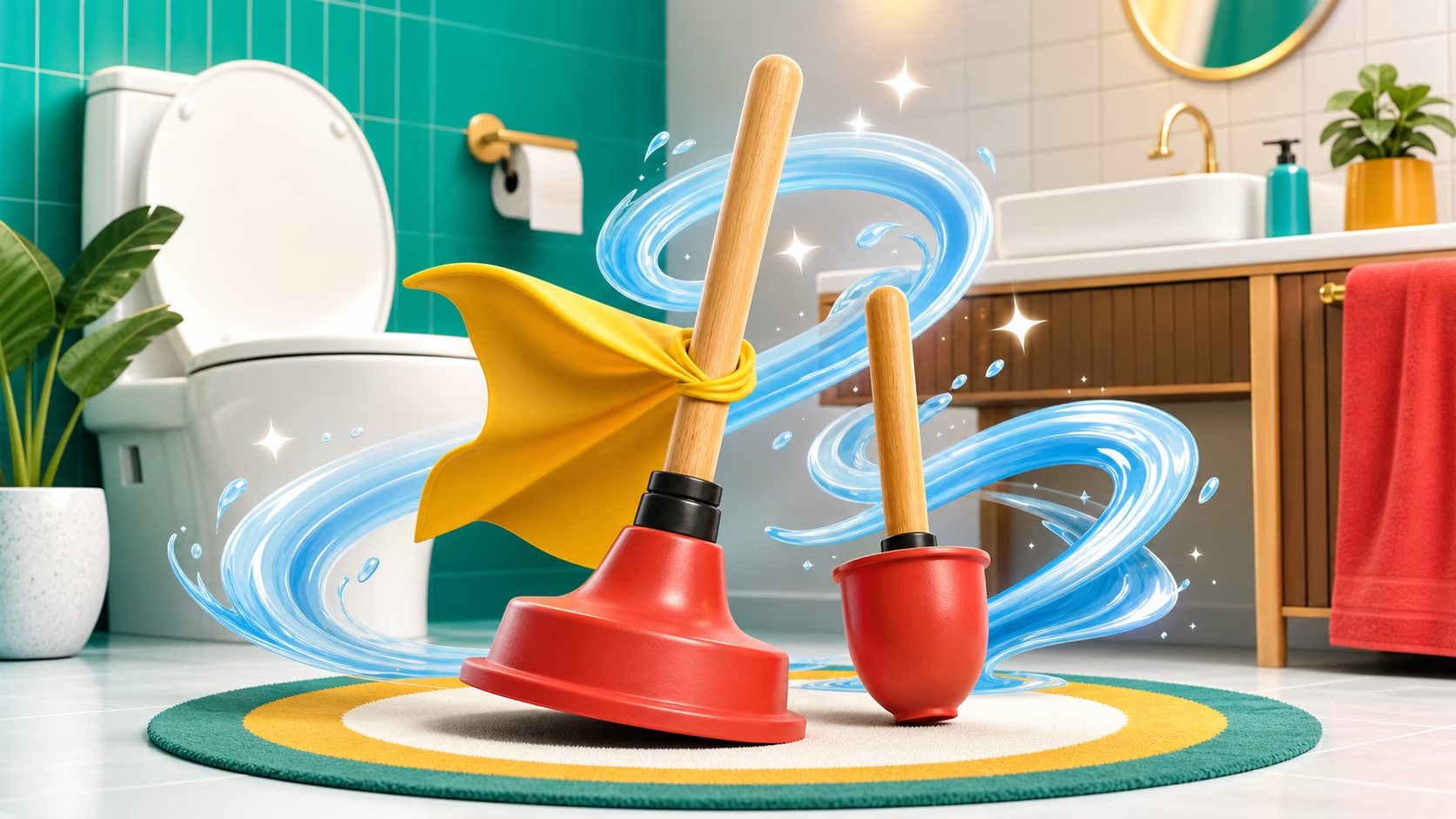
How to Use a Plunger the Right Way
A plunger is one of those tools almost every home has, but a lot of people use it wrong.
That is not a knock on anybody. Most people only grab a plunger when the toilet is full, the sink is not draining, or someone is standing there hoping the problem goes away before guests arrive.
The good news is simple: a plunger can clear a lot of basic clogs.
The bad news is also simple: the wrong plunger, the wrong angle, or too much force can turn a small clog into a bigger plumbing problem.
This guide walks through the basics: which plunger to use, how to plunge a toilet, how to plunge a sink or tub, what not to do, and when to stop before you make the clog worse.
First, Use the Right Plunger
Not all plungers are the same.
The two common types homeowners need to know are cup plungers and flange plungers.
Cup Plunger
A cup plunger is the basic rubber cup on a handle. It works best on flat surfaces, like:
- Bathroom sinks
- Kitchen sinks
- Laundry sinks
- Tub drains, if you can seal the overflow
The cup needs to sit flat over the drain so it can create suction.
That is why a cup plunger is not the best tool for a toilet. A toilet bowl has a curved opening, so the flat cup usually cannot seal well.
Flange Plunger
A flange plunger has an extended rubber sleeve inside the cup. That sleeve fits down into the toilet drain opening and helps create a tighter seal.
Use a flange plunger for toilets.
If you only own one plunger, make it a flange plunger. Many flange plungers can fold the flange up into the cup so they can work on flat drains too. Still, it is cleaner and smarter to keep one plunger for toilets and a separate one for sinks and tubs.
Before You Plunge a Toilet
If the toilet is clogged, do not keep flushing.
One flush can tell you there is a problem. The second flush can put dirty water on the floor.
Before you start:
- Stop flushing.
- If the bowl is close to overflowing, remove the tank lid and be ready to close the flapper.
- Turn off the water supply valve behind the toilet if the water keeps rising.
- Put towels around the base in case of splashing.
- Wear gloves if you have them.
You need enough water in the bowl to cover the rubber cup of the plunger. If the bowl is too empty, add water from a bucket. If it is too full, remove some water carefully with a small container.
Do not pour boiling water into a toilet. It can crack porcelain or damage seals. Warm water is different. Boiling water is not worth the risk.
How to Plunge a Toilet
Set the flange into the toilet drain opening and press the cup down so it seals against the bowl.
The first push should be gentle. You are trying to push air out of the cup and get water into the plunger. A hard first shove can splash dirty water back at you.
Once the plunger is sealed:
1. Push down steadily. 2. Pull back without breaking the seal. 3. Repeat with a firm rhythm. 4. Keep the cup covered with water. 5. Try 15 to 20 plunges, then pause.
The pull matters as much as the push. A lot of people only shove down hard. The back-and-forth movement is what helps loosen the clog.
After a short round, lift the plunger and see if the water drains. If it drains, flush once to test. Keep your hand near the shutoff valve in case the water rises again.
If the bowl drains but still flushes weakly, there may still be a partial clog.
How to Plunge a Sink
For a sink, use a cup plunger.
First, remove the stopper if it is easy to remove. If there is standing water, leave enough water in the sink to cover the plunger cup.
The trick with sinks is the overflow opening. Many bathroom sinks have a small overflow hole near the rim. If you do not cover it, pressure escapes and the plunger will not work well.
Cover the overflow with a wet rag. Hold it firmly while you plunge.
Then:
1. Place the plunger cup flat over the drain. 2. Press down to make a seal. 3. Plunge straight up and down. 4. Keep the seal tight. 5. Try 15 to 20 plunges.
If the sink starts draining, run warm water for a short time to help move loosened debris through the line.
Do not use a plunger after pouring chemical drain cleaner into the sink. You can splash chemicals onto your skin, eyes, countertop, cabinet, or floor.
How to Plunge a Tub or Shower Drain
Tub drains can be trickier because of the overflow plate.
If you are plunging a tub, remove the stopper if you can. Cover the overflow opening with a wet rag. You may need to press the rag firmly while someone else plunges.
Add enough water to cover the plunger cup. Place the cup over the drain and plunge with steady pressure.
Hair clogs often sit close to the drain opening. If plunging does not work, the next step may be removing hair from the drain, but be careful with tools. Scratching a tub, breaking a stopper linkage, or pushing debris deeper can make the repair more annoying.
Common Plunging Mistakes
Most plunging mistakes come from panic.
Here are the big ones to avoid.
Using the Wrong Plunger
A cup plunger on a toilet usually gives you a weak seal. You end up working harder with less result.
Use a flange plunger on toilets. Use a cup plunger on flat drains.
Starting Too Hard
The first push should not be a full-force shove. Start gently to remove air and seat the plunger. Then use firm strokes.
Breaking the Seal Every Stroke
If the plunger pops off the drain every time, you are mostly moving air. Keep the cup sealed and work the clog with steady pressure.
Flushing Over and Over
If a toilet is clogged, repeated flushing does not fix it. It usually raises the water level and creates cleanup.
Mixing Plunging With Chemical Drain Cleaners
This is a safety issue.
If chemical cleaner is in the drain, do not plunge. You can splash caustic liquid. Also, if the cleaner does not clear the clog, a plumber may have to work around chemicals in the line.
Forcing the Problem Too Long
If the clog does not move after a few proper rounds, stop. More force does not always mean better results.
When a Plunger Can Help
A plunger is worth trying when:
- One toilet is clogged but other fixtures work normally.
- One sink is draining slowly because of a local clog.
- A tub is slow because of hair or soap buildup near the drain.
- The clog happened suddenly after normal use.
- There is no sewage backup, gurgling, or multiple-drain problem.
In those cases, a plunger may clear the stoppage without much drama.
When to Stop Plunging
This is the part homeowners need to hear.
Stop plunging and call a plumber if:
- More than one drain is backing up.
- The toilet bubbles when a sink or shower runs.
- Water comes up in the tub or shower when the toilet flushes.
- You hear gurgling from nearby drains.
- Sewage smell shows up.
- Dirty water backs up into a shower, tub, or floor drain.
- The toilet clogs again soon after you clear it.
- The clog does not move after several good plunging attempts.
- The water level rises instead of dropping.
- You already used chemical drain cleaner.
Multiple fixtures backing up can point to a deeper drain problem. That is not a plunger job.
If a main line is blocked, pressure from plunging one fixture can push water or waste toward another opening. That is when people go from "the toilet is clogged" to "why is there water in the shower?"
Sink Clog or Main Drain Problem?
A single clogged bathroom sink is usually local. Hair, soap, toothpaste, and buildup collect in the stopper, trap, or branch line.
A main drain problem looks different.
You may notice:
- Toilets struggling in more than one bathroom
- Shower or tub drains backing up
- Gurgling sounds after flushing
- Water rising in a low drain when another fixture runs
- Repeated clogs in the same part of the house
If the pattern involves multiple fixtures, do not keep treating it like a simple sink clog. The location of the symptoms matters. That pattern can also overlap with the warning signs in our guide to recurring drain clogs.
What About Drain Snakes?
Small hand snakes can help with some sink and tub clogs, but they can also create problems if used carelessly.
A homeowner snake can scratch porcelain, damage a trap, get stuck, or push through old pipe that was already weak. Power augers are a different story. Those should be used by someone who knows what they are doing.
For a toilet, a closet auger is the proper tool after a plunger. A regular drain snake can scratch the bowl.
If you are comfortable and the clog seems minor, a simple tool may be fine. If you feel resistance, hit something solid, or keep pulling back roots, wipes, or heavy debris, stop.
Why "Flushable" Wipes Are a Problem
Many toilet clogs start with wipes.
Even when packaging says flushable, wipes do not break down like toilet paper. They can hang up in the toilet trap, drain line, or main sewer line. Add hair, grease, or scale, and the clog gets stronger.
The safest rule is simple: only toilet paper and human waste go in the toilet.
Paper towels, wipes, feminine hygiene products, cotton swabs, dental floss, and grease do not belong there.
When to Call The Greatful Plumber
Call a plumber when the clog is stubborn, recurring, messy, or connected to more than one fixture.
The Greatful Plumber can help with:
- Toilet clogs that will not clear
- Repeated toilet stoppages
- Sink, tub, and shower drain clogs
- Main line backups
- Drain cleaning
- Camera inspection when needed
- Fixture issues that look like clogs but are really mechanical problems
The goal is not to make a small problem bigger. If a plunger clears it, great. If it does not, the next step is finding where the blockage is and clearing it the right way.
Frequently Asked Questions
What kind of plunger should I use for a toilet?
Use a flange plunger. The rubber flange fits into the toilet drain opening and helps create a better seal than a flat cup plunger.
Can I use the same plunger for a sink and a toilet?
Technically, some flange plungers can work on both, but it is better to keep separate plungers for sanitation. Use a flange plunger for toilets and a cup plunger for sinks and tubs.
How long should I plunge before stopping?
Try a few short rounds of 15 to 20 plunges with a good seal. If the clog does not move, the water rises, or other drains react, stop and call a plumber.
Should I use chemical drain cleaner before plunging?
No. If chemicals are in the drain, plunging can splash them back at you. Chemical cleaners can also make the next repair more hazardous.
Why does my toilet keep clogging after I plunge it?
A recurring toilet clog may mean the blockage was only partly cleared. It can also point to a toilet issue, foreign object, drain line problem, or main line restriction.
Need Help With a Stubborn Clog?
If the plunger is not working, the clog keeps coming back, or more than one drain is acting up, it is time to stop guessing. The Greatful Plumber helps homeowners across Jacksonville service areas diagnose the drain and clear the problem the right way.
Call The Greatful Plumber at (904) 643-3946 or visit tgplumber.com/contact to schedule plumbing service.