If your toilet keeps running after you flush, there is a decent chance the fix is not a $500 plumbing visit.
Sometimes it is an $8 to $15 rubber part.
That part is called the flapper. It sits at the bottom of the toilet tank and lifts when you flush. When it drops back down, it is supposed to seal the tank so water stops running into the bowl.
When the flapper gets old, warped, cracked, slimy, or misaligned, it does not seal right. Water leaks from the tank into the bowl. The fill valve senses the water level dropping and refills the tank again. Then it happens again. And again.
That is why a running toilet can waste a ridiculous amount of water without looking like a leak.
The good news: replacing a flapper is one of the more reasonable DIY plumbing fixes for a homeowner. You do not need to cut pipe. You do not need specialty equipment. You do need to slow down, match the part correctly, and know when the problem is bigger than the flapper.
This guide walks you through the safe version.
First, Make Sure the Toilet Is Actually Running
Some running toilets are obvious. You hear water moving long after the flush. The tank keeps filling. The toilet makes noise every few minutes.
Other toilet leaks are quieter.
You may not hear anything at all. The only clue may be a higher water bill or a tank that refills randomly when nobody used the bathroom.
Common signs include:
- The toilet runs after every flush.
- The toilet runs for a few seconds every few minutes.
- You hear trickling water inside the bowl.
- The tank refills by itself.
- The handle feels loose or sticks down.
- Your water bill jumped and nothing else changed.
If your JEA bill went up suddenly, a running toilet should be one of the first things you check. It is not the only possible cause, but it is one of the easiest to rule out before you need professional water leak detection.
Do the Quick Dye Test
Before you replace parts, test the toilet.
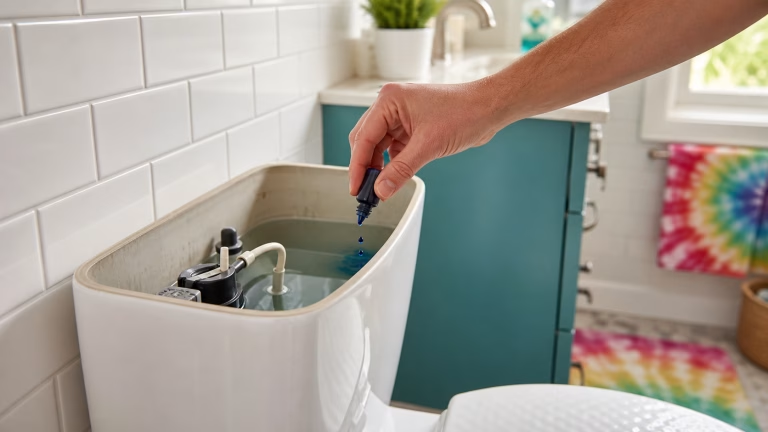
You can use a few drops of food coloring or a toilet leak dye tablet from a hardware store.
Here is the simple version:
- Remove the toilet tank lid and set it somewhere safe.
- Put a few drops of food coloring into the tank water.
- Do not flush.
- Wait 10 to 15 minutes.
- Look inside the bowl.
If colored water shows up in the bowl, water is leaking from the tank into the bowl. The flapper is the most common suspect.
Flush after the test so the dye does not stain the tank or bowl.
If no color shows up, the problem may still be related to the fill valve, overflow tube, handle, or chain. But if the dye moves into the bowl, start with the flapper.
Tools and Parts You Need
Most flapper replacements are simple. Get everything ready before you start.
You may need:
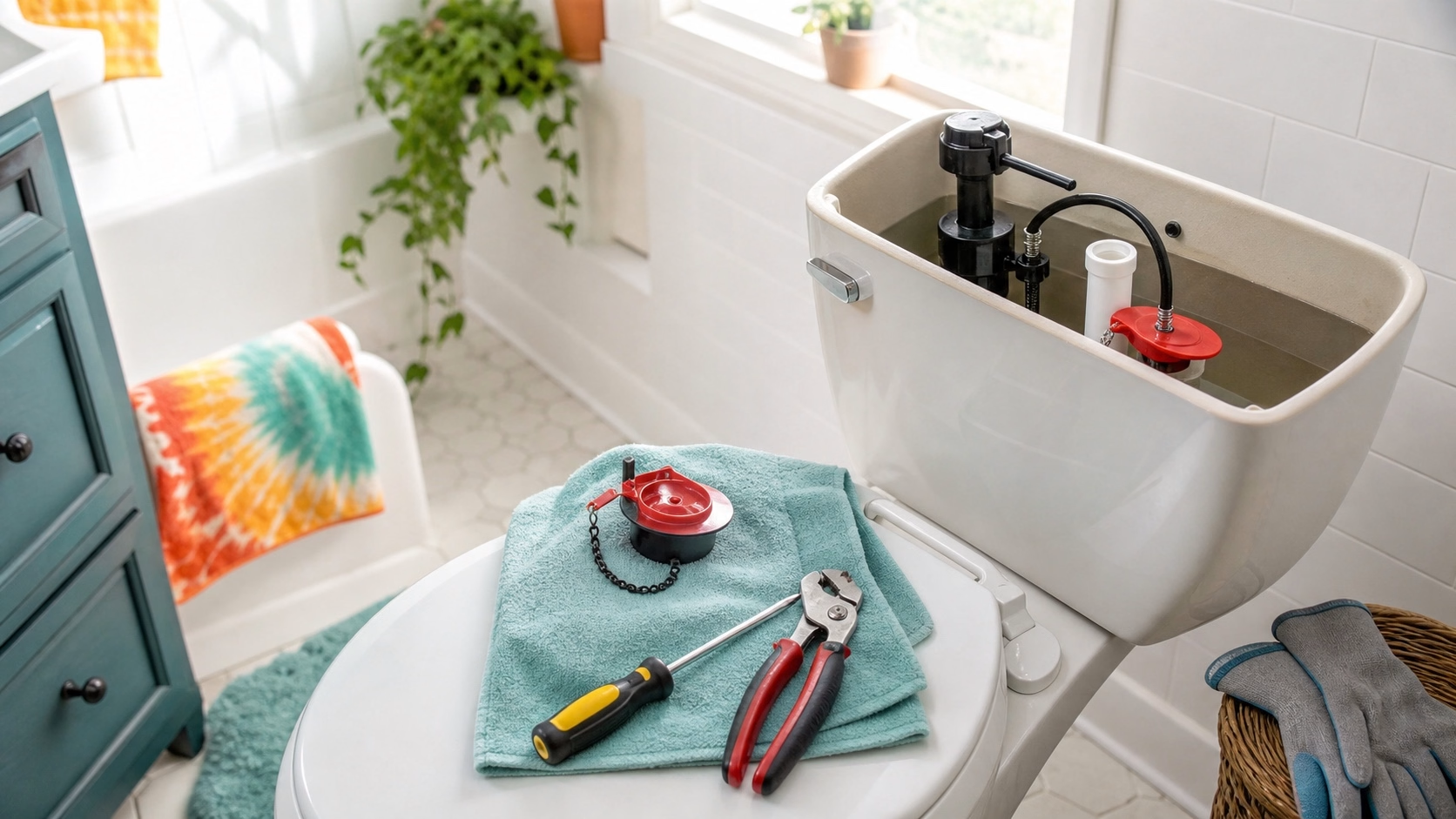
- Replacement toilet flapper
- Gloves
- Towel or small rag
- Sponge, if the tank has extra water
- Phone camera
- Bucket, optional
The most important part is buying the right flapper.
Do not guess if you can avoid it. Toilets use different flapper sizes and styles. Some are 2-inch. Some are 3-inch. Some have floats. Some connect differently.
Take a photo of the old flapper before you remove it. If possible, take the old flapper to the hardware store and match it. If you know the toilet brand and model, bring that too.
This is where a lot of DIY repairs go sideways. The homeowner buys a flapper that almost fits, installs it, and the toilet still runs. A flapper that looks close is not always close enough.
Step 1: Shut Off the Toilet Water
Look behind or beside the toilet near the floor. You should see a small shutoff valve on the water supply line.
Turn it clockwise until it stops.
Then flush the toilet once. Most of the water should leave the tank. If the water keeps refilling, the valve is not fully shut or the valve is failing.
Do not force an old shutoff valve.
If it is stuck, corroded, leaking, or feels like it may break, stop. That is not a flapper job anymore. A failed toilet shutoff can turn a cheap repair into water on the floor fast.
This is one of the clean lines between DIY and calling for toilet and fixture repair.
Step 2: Remove the Old Flapper
With the water off and the tank mostly empty, look at how the flapper connects.
Most flappers attach to two small posts on the overflow tube. The chain connects to the flush handle arm.
Take a quick photo before removing anything. That gives you a reference if you forget how the chain sat.
Then:
- Unhook the chain from the handle arm.
- Gently remove each side of the flapper from the mounting posts.
- Lift the old flapper out of the tank.
- Wipe the valve seat where the flapper seals.
That last step matters. Sometimes grit, mineral buildup, or old rubber residue keeps the new flapper from sealing.
Do not scrape aggressively. You are cleaning the surface, not grinding it down.
Step 3: Install the New Flapper
Attach the new flapper to the same posts where the old one sat.
Make sure it moves freely. It should lift when the handle is pressed and drop flat when released.
Reconnect the chain to the handle arm.
The chain should have a little slack, but not too much.
If the chain is too tight, it can hold the flapper slightly open. The toilet will keep running.
If the chain is too loose, the handle may not lift the flapper all the way. The toilet may flush weakly or require holding the handle down.
A good starting point is a small amount of slack when the flapper is closed. Press the handle and watch the movement. Adjust one link at a time until the flush feels normal.
Step 4: Turn the Water Back On and Test
Turn the shutoff valve counterclockwise to restore water.
Let the tank fill. Watch the flapper as the tank fills. It should stay seated. Water should stop once the tank reaches the proper level.
Flush the toilet a few times.
Then listen.
The fill valve should run, refill the tank, and stop. It should not keep hissing. It should not kick on again a few minutes later.
If the toilet is quiet, do the dye test again. Put color in the tank, wait 10 to 15 minutes, and check the bowl.
No color in the bowl means the flapper is sealing.
Common Mistakes
The flapper is simple, but small mistakes matter.
Buying the Wrong Flapper
This is the big one.
If the replacement does not match the toilet, it may not seal. Bring the old part with you or match the toilet model.
Leaving the Chain Too Tight
A tight chain can hold the flapper open just enough to leak. If the toilet still runs after replacement, check the chain before assuming the part failed.
Leaving the Chain Too Loose
Too much slack can make the flush weak. If you have to hold the handle down, tighten the chain by one or two links.
Ignoring the Fill Valve
If the water level rises too high and spills into the overflow tube, the flapper is not the main problem. The fill valve needs attention.
Forcing the Shutoff Valve
If the shutoff valve is old and stuck, do not fight it. A broken shutoff can create a real repair.
When It Is Not the Flapper
A running toilet is not always a flapper problem.
Call a plumber if:
- The toilet keeps running after a correct flapper replacement.
- The shutoff valve leaks or will not turn.
- The fill valve keeps hissing.
- Water runs into the overflow tube.
- The flush handle sticks.
- The toilet rocks on the floor.
- Water appears around the base.
- Tank bolts or internal parts are brittle, rusted, or cracking.
- The toilet is old and has repeated problems.
Sometimes the cheapest part is not the smartest fix. If the fill valve, flush valve, supply line, shutoff, and tank hardware are all old, replacing one part may only buy you a little time.
That does not mean you need the most expensive repair. It means somebody should look at the whole toilet and tell you what actually makes sense.
Jacksonville Homes and Running Toilets
In Jacksonville, we see running toilets connect to two bigger homeowner headaches: high water bills and old shutoff valves.
The high water bill part is obvious. If water keeps leaking from the tank into the bowl, you are paying for water you never used.
The shutoff valve part surprises people. A homeowner goes to replace a flapper, reaches for the valve, and finds out it has not moved in years. It is stuck, crusted over, or already weeping. Now the flapper is not the concern. The concern is whether the toilet can be shut off safely when something does go wrong.
That is why we are big believers in knowing what you can handle and where the line is.
If it is a clean flapper swap, do it.
If the valve fights you, stop.
The Bottom Line
A toilet flapper is one of the few plumbing parts many homeowners can replace without calling a plumber.
If the toilet keeps running, test it. If the dye test shows water leaking into the bowl, match the flapper, shut off the toilet, swap the part, adjust the chain, and test again.
If that fixes it, great. You saved yourself a service call.
If the toilet still runs, the shutoff valve leaks, or something feels brittle, stuck, or wrong, call The Greatful Plumber. We handle residential plumbing across Jacksonville, and we will tell you whether the toilet needs a simple part, a proper rebuild, or nothing more than an adjustment.
Call (904) 643-3946 or visit tgplumber.com/contact. If it is a simple DIY fix, we are happy you handled it. If it is not, we will help before it becomes a bigger mess.
Frequently Asked Questions
How do I know if my toilet flapper is bad?
Do the dye test. Put a few drops of food coloring in the tank, wait 10 to 15 minutes without flushing, and check the bowl. If color appears in the bowl, water is leaking past the flapper or flush valve seal.
How often should a toilet flapper be replaced?
There is no perfect schedule, but rubber flappers wear out over time. If the toilet runs, refills by itself, or fails a dye test, the flapper is worth checking.
Can a running toilet raise my water bill?
Yes. A running toilet can waste a lot of water because the leak can continue all day without anyone noticing. If your bill jumped suddenly, a toilet dye test is one of the first checks to do before assuming there is a hidden pipe leak.
What if replacing the flapper does not fix the toilet?
Check the chain first. If the chain is not the issue, the problem may be the fill valve, flush valve, overflow tube, handle, or shutoff valve. At that point, it is worth calling a plumber.
Should I replace the fill valve at the same time?
Maybe. If the fill valve is old, noisy, slow, or failing to shut off, replacing it may make sense. If you are not comfortable working inside the tank or the shutoff valve is unreliable, call The Greatful Plumber.
Not Sure If It Is Just the Flapper?
If the toilet keeps running, the shutoff valve leaks, or the repair feels off, call The Greatful Plumber before a small tank problem turns into water on the floor.