A slow bathroom sink drain is usually not mysterious.
Most of the time, it is hair, soap film, toothpaste, shaving cream, makeup, and whatever else gets rinsed down that sink every morning.
That buildup collects around the stopper and inside the first few inches of the drain. The sink still drains, but slowly. Then slower. Then one day you wash your hands and the bowl holds water like a tiny bathtub.
Here is the good news: this is often a reasonable DIY job.
Here is the warning: it is also one of the easiest plumbing problems to make worse with the wrong approach.
Chemical drain cleaner, too much force, metal tools, and random poking can damage parts, push the clog deeper, or turn a small bathroom sink issue into a bigger drain cleaning call.
This guide shows the safe order: what to check, what to clean, what to avoid, and when to stop.
First, Make Sure It Is Only One Drain
Before you touch the sink, look at the bigger picture.
Is only one bathroom sink slow, or are multiple drains acting up?
Run water in nearby fixtures and pay attention.
Check:
- Bathroom sink
- Tub or shower
- Toilet flush
- Other bathroom sinks
- Kitchen sink
- Laundry drain, if nearby
If only one bathroom sink is slow, the clog is probably local. That means it may be near the stopper, trap, or branch line for that sink.
If multiple fixtures are slow, gurgling, or backing up, stop treating it like a sink problem. That can point to a deeper drain issue.
When a toilet bubbles, a shower backs up, or more than one drain is slow, the problem may need professional diagnosis, not another round of DIY.
Do Not Start With Chemical Drain Cleaner
This is the part people do not love hearing.
We do not recommend chemical drain cleaners as the first move.
They are easy to buy and easy to pour, but they create problems:
- They can damage older drain parts.
- They can sit in the trap if the clog does not clear.
- They can splash back when you plunge or remove parts.
- They can make the job more dangerous for whoever works on the drain next.
- They often do not remove hair and sludge well enough to keep the drain clear.
If you already poured chemical cleaner into the sink, do not plunge it. Do not take the drain apart right away. You do not want that chemical on your skin, eyes, vanity, floor, or tools.
Tell the plumber if you used it. That is not about blame. It is a safety issue.
Tools You May Need
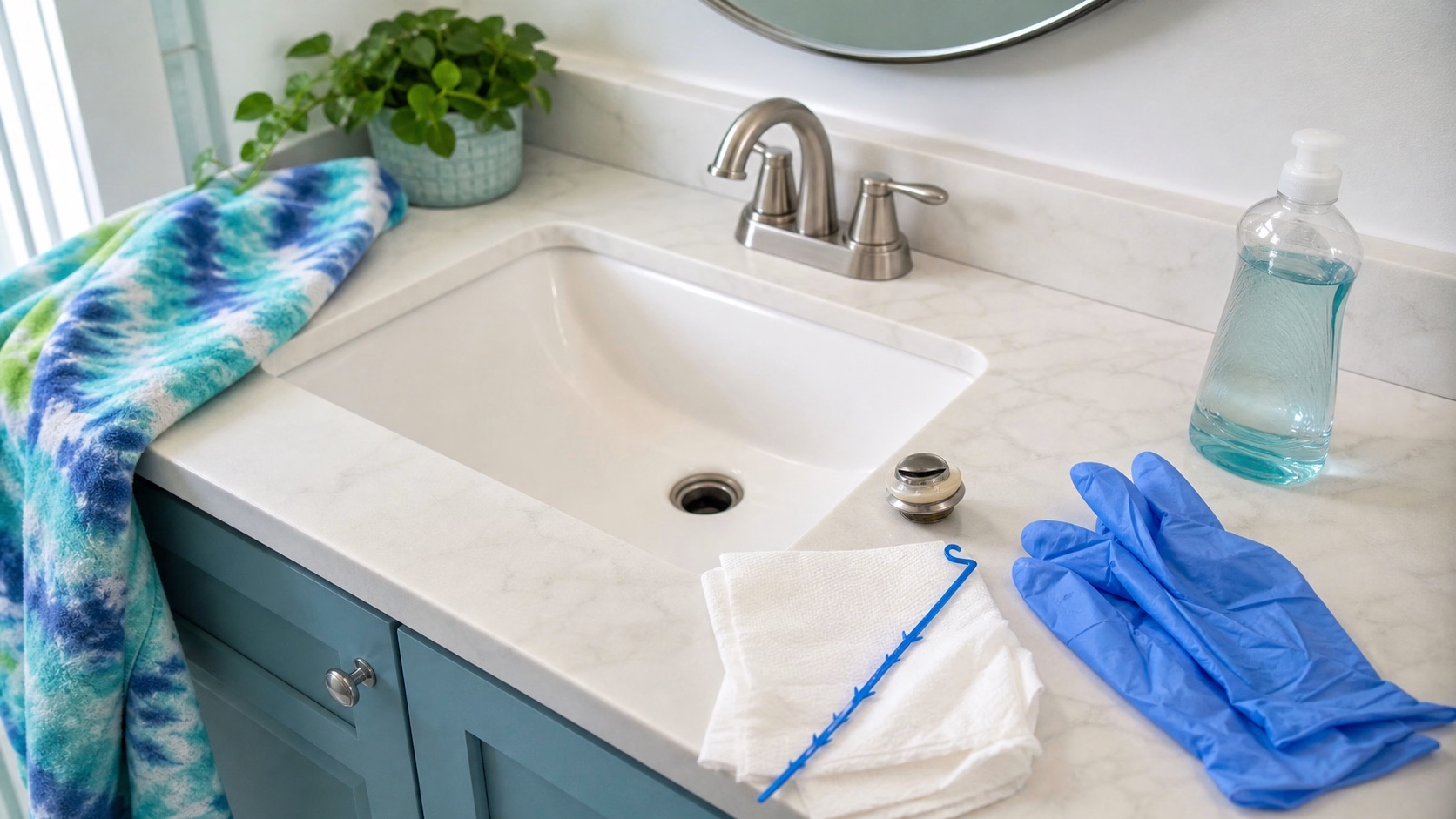
For a simple bathroom sink cleaning, gather:
- Gloves
- Paper towels or rags
- Small bucket
- Flashlight
- Plastic hair-removal tool
- Old toothbrush or small cleaning brush
- Mild dish soap
- Cup or bowl for rinsing
- Adjustable pliers, optional
Do not start with a metal coat hanger. It can scratch the sink, damage the stopper, or get stuck.
A cheap plastic drain tool is usually safer for hair near the top of the drain. Use it gently. If it catches hard, do not force it.
Step 1: Remove and Clean the Stopper
Many bathroom sink clogs start at the stopper.
Some stoppers lift right out. Others are connected to a pivot rod under the sink.
Try lifting the stopper first. If it comes out, great.
You will probably find hair and sludge wrapped around it. That is normal, even in a clean bathroom. Sinks collect whatever goes down them every day.
Clean the stopper with paper towels, dish soap, and warm water. Use a brush if needed.
If the stopper does not lift out, look under the sink. You may see a horizontal rod going into the drain pipe behind the trap. That rod often holds the stopper in place.
If you are not comfortable loosening that connection, stop there. You can still clean what you can reach from above.
Step 2: Use a Plastic Hair Tool Carefully
With the stopper out, use a plastic hair-removal tool to pull out buildup near the top of the drain.
Go slowly.
Feed the tool down a short distance, twist gently, and pull it back out.
Expect it to look unpleasant. That means it is working.
Do not shove the tool deep into the drain. You are trying to remove hair near the opening, not snake the whole line.
If the tool will not move, catches hard, or feels like it may break, stop. A broken plastic strip lodged in the drain does not improve anybody’s day.
Step 3: Rinse and Test
After removing the obvious buildup, run warm water.
Not boiling water. Warm water.
Bathroom sink drains may have plastic parts, older seals, or connections you do not want to shock with boiling water.
Let warm water run for a minute and watch how the sink drains.
If the water drains normally, clean the stopper one more time, reinstall it, and test again.
If the sink is better but still slow, the buildup may be farther down in the trap.
Step 4: Check the P-Trap Only If You Are Comfortable
The P-trap is the curved pipe under the sink. It holds water to block sewer gas from coming back into the bathroom.
It can also collect hair, toothpaste caps, jewelry, sludge, and other small items.
Some homeowners are comfortable removing and cleaning a trap. Some are not. Both are fine.
If you try it:
- Put a bucket under the trap.
- Take a photo before loosening anything.
- Loosen the slip nuts by hand if possible.
- Lower the trap carefully.
- Empty it into the bucket.
- Clean it outside or over another drain.
- Reinstall it exactly as it was.
- Run water and check for leaks.
Stop if the parts are brittle, corroded, cross-threaded, glued, cracked, or will not move.
A trap that comes apart cleanly is one thing. A trap that fights you is another.
Step 5: Know When a Plunger Helps
A plunger can help some sink clogs, but only if you use it correctly.
Use a cup plunger, not a toilet plunger.
Cover the sink overflow opening with a wet rag so pressure does not escape. Keep enough water in the sink to cover the plunger cup. Use steady pressure.
If you want the full breakdown, read our guide on how to use a plunger the right way.
Do not plunge if chemical drain cleaner is in the sink.
Do not keep plunging if dirty water backs up elsewhere or the sink gets worse.
Common Mistakes That Make Sink Drains Worse
Pouring Chemical Cleaner Again and Again
If the first bottle did not solve it, the second bottle usually will not make the situation safer. It may only leave more chemical sitting in the line.
Shoving Tools Too Deep
Bathroom sink clogs are often close to the stopper. If you push the clog deeper or break a tool in the drain, the repair gets harder.
Ignoring the Overflow
If you plunge without covering the overflow, you lose pressure. It feels like you are working, but you may not be moving much inside the drain.
Taking Apart Old Parts Too Fast
Older drain parts can crack or leak after being disturbed. If the trap or nuts look fragile, stop before turning a slow drain into a cabinet leak.
Forgetting to Check for Leaks After Reassembly
If you remove the trap, run water afterward and watch every connection. A slow drip under a vanity can damage the cabinet before you notice it.
How to Prevent a Slow Bathroom Sink Drain
You cannot keep every strand of hair out of a bathroom sink, but you can reduce buildup.
Try this:
- Clean the stopper regularly.
- Brush loose hair into the trash, not the sink.
- Avoid rinsing heavy shaving cream buildup down all at once.
- Do not pour grease, oils, or thick products into bathroom drains.
- Flush the sink with warm water after messy use.
- Pay attention when the drain starts slowing down.
Small maintenance beats waiting until the sink barely drains.
When It Is Time to Call a Plumber
Call The Greatful Plumber if:
- The slow drain keeps coming back.
- More than one fixture is slow.
- The sink gurgles.
- You smell sewer gas.
- Water backs up into another drain.
- The trap leaks after cleaning.
- The drain parts are corroded or brittle.
- You already used chemical drain cleaner.
- The clog does not clear after cleaning the stopper and top of the drain.
Recurring clogs usually mean there is more going on than hair at the stopper.
Sometimes the line needs proper cleaning. Sometimes a camera inspection makes sense. Sometimes the problem is a venting issue, a deeper blockage, a belly in the line, roots, or a damaged pipe.
That is why repeated clogs deserve a better answer than “keep buying drain cleaner.”
What a Plumber Does Differently
Professional drain work is not just more force.
The goal is to find the right cause and use the right tool.
Depending on the symptoms, we may:
- Inspect the sink drain assembly
- Clean the trap and branch line
- Use the right cable for the fixture
- Check nearby fixtures
- Look for venting symptoms
- Recommend sewer camera inspection if the problem points deeper
- Explain when sewer line repair may be part of the conversation
Most bathroom sink issues do not need that full process. But when they do, guessing wastes time.
The Bottom Line
If one bathroom sink is draining slowly, start simple.
Check whether other drains are normal. Remove and clean the stopper if you can. Use a plastic hair tool carefully. Rinse with warm water. Consider the trap only if the parts are in good shape and you are comfortable putting everything back together.
Skip the chemical drain cleaner if you can.
If the sink clears and stays clear, good. You handled it.
If it keeps coming back, smells like sewer gas, affects other fixtures, or starts leaking under the vanity, call The Greatful Plumber. We handle bathroom sink plumbing and drain cleaning across Jacksonville, and we will tell you whether it is a simple local clog or something deeper.
Call (904) 643-3946 or visit tgplumber.com/contact. Try the safe stuff first. When the drain tells you it is more than that, we are here.
Frequently Asked Questions
Why is my bathroom sink draining slowly?
Most slow bathroom sink drains come from hair, soap film, toothpaste, shaving cream, and buildup around the stopper or trap. If multiple fixtures are slow, the problem may be deeper than that one sink.
Should I use chemical drain cleaner in a bathroom sink?
We do not recommend it as the first move. Chemical cleaners can damage parts, sit in the trap, splash back, and make the next repair more dangerous. Cleaning the stopper and visible buildup is usually a better first step.
Can I remove the sink stopper myself?
Sometimes. Some stoppers lift right out. Others connect to a pivot rod under the sink. If you are not comfortable loosening parts under the vanity, clean what you can reach from above and call if the drain stays slow.
Is a slow bathroom sink an emergency?
Usually no. But if water is backing up, sewer smell is present, multiple fixtures are affected, or the trap is leaking, stop using the sink and schedule plumbing help.
Why does my sink drain slow again after I clean it?
The clog may be farther down than the stopper, or the drain assembly may have buildup that keeps catching hair. Recurring clogs are a sign that the line needs a better cleaning or diagnosis.
Need Help With a Slow Bathroom Sink in Jacksonville?
If you tried the safe steps and the drain is still slow, keeps coming back, smells bad, or affects other fixtures, it is time to stop guessing.
The Greatful Plumber helps Jacksonville homeowners diagnose bathroom sink clogs, drain buildup, leaks, and deeper drain problems without turning a small issue into a bigger mess.
Need plumbing help in Jacksonville? Call (904) 643-3946 or contact The Greatful Plumber and tell us what is going on.